

K9 Training in Reno
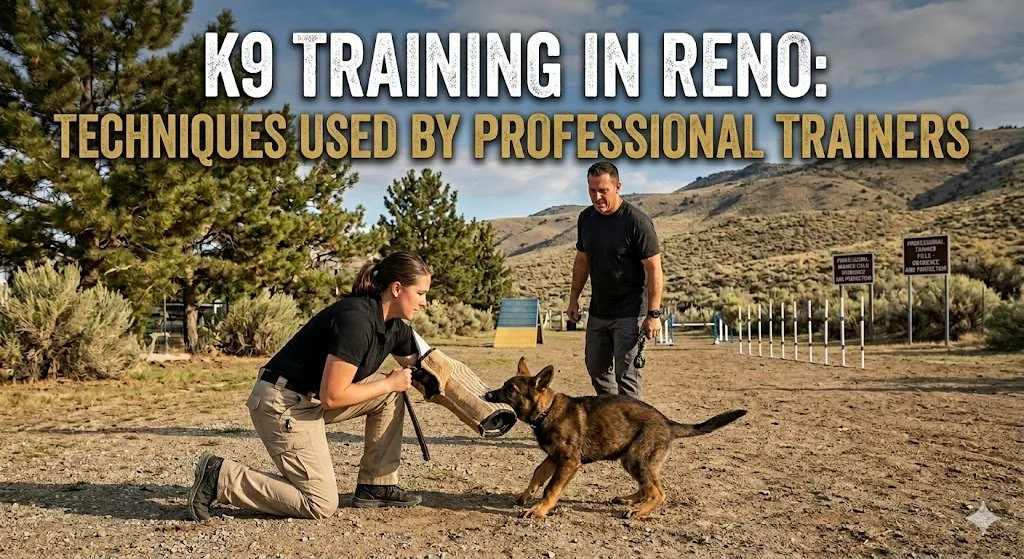
K9 Training in Reno: Techniques Used by Professional Trainers
Training a dog is about far more than teaching commands. It is about building trust, improving communication, and creating a strong relationship between dogs and their owners. In Reno, professional K9 training has become increasingly important for families, working dog handlers, and pet owners who want reliable obedience and balanced behavior in real world situations.
At Hazard K9, we understand that every dog has a unique personality, learning style, and energy level. Professional training techniques are designed to bring out the best in each dog while helping owners feel confident and in control. Whether the goal is basic obedience, behavioral correction, or advanced protection work, experienced trainers use proven methods that focus on consistency, structure, and positive communication.
Why Professional K9 Training Matters
Many dog owners attempt to train their dogs on their own but quickly realize that inconsistent methods can create confusion and frustration. Professional trainers understand canine psychology and know how to guide dogs through clear and structured learning processes.
A trained dog is safer, more responsive, and easier to manage in everyday situations. Proper training can reduce common issues such as leash pulling, excessive barking, jumping, aggression, separation anxiety, and destructive behavior. Professional training also strengthens the bond between owners and their dogs by improving trust and communication.
In a city like Reno, where outdoor activities and public spaces are part of daily life, having a well trained dog makes a major difference. Dogs regularly encounter distractions such as people, wildlife, traffic, and other pets. Professional techniques help dogs remain calm and focused even in stimulating environments.
Understanding Canine Behavior Before Training Begins
One of the most important aspects of professional K9 training is understanding canine behavior. Dogs communicate through body language, energy, and repetition. Before introducing commands, trainers first evaluate the dog's temperament, confidence level, motivation, and behavioral patterns.
Some dogs are naturally energetic and eager to learn, while others may be nervous or stubborn. Professional trainers adjust their approach based on the dog's personality and training goals. This customized process allows training to progress more effectively while reducing stress for both the dog and the owner.
Behavioral evaluation also helps identify triggers for anxiety or aggression. Understanding why a dog reacts a certain way is essential for correcting unwanted behavior safely and effectively.
Positive Reinforcement Training Techniques
Positive reinforcement is one of the most widely used methods in professional K9 training. This technique rewards desired behavior with treats, praise, toys, or affection. Dogs learn to associate correct actions with positive outcomes, making them more likely to repeat those behaviors.
Professional trainers use positive reinforcement to teach commands such as sit, stay, heel, recall, and place. Timing is extremely important. Rewards must be given immediately after the correct behavior so the dog clearly understands what is expected.
Positive reinforcement creates an enjoyable learning experience for dogs and encourages confidence during training sessions. This method is especially effective for puppies and dogs that are sensitive or fearful.
Leash Training and Structured Walking
Leash control is one of the first skills professional trainers focus on. Many dog owners struggle with pulling, lunging, or reactive behavior during walks. Structured leash training teaches dogs to walk calmly beside their handler while remaining attentive.
Professional trainers use consistent positioning, verbal commands, and leash guidance to establish boundaries during walks. Dogs learn that pulling does not lead to forward movement, while calm behavior is rewarded.
Structured walking also improves mental discipline. Dogs begin to look to their handler for direction instead of reacting impulsively to distractions. This creates a more enjoyable experience for both the owner and the dog during outdoor activities around Reno.
Socialization Techniques for Balanced Behavior
Socialization is critical for raising a confident and stable dog. Professional trainers carefully expose dogs to different environments, people, sounds, and animals in a controlled manner. Proper socialization helps prevent fear based reactions and aggressive tendencies later in life.
Training sessions may include visits to parks, sidewalks, busy streets, and pet friendly public spaces. Dogs gradually learn to remain calm around unfamiliar situations while maintaining focus on their handler.
Controlled socialization also teaches dogs appropriate behavior when meeting other dogs. Instead of becoming overly excited or reactive, trained dogs learn calm interaction and impulse control.
Obedience Training for Real Life Situations
Basic obedience is the foundation of all professional K9 training. Commands such as sit, down, stay, come, heel, and leave it are essential for maintaining control and safety.
Professional trainers do not simply teach commands indoors. They gradually increase distractions so dogs learn to obey in real life situations. A dog that listens perfectly inside the home may behave very differently outdoors if training has not been generalized.
Training in parks, neighborhoods, and public spaces helps dogs understand that commands apply everywhere. This level of reliability is what separates professional training from inconsistent home practice.
Reliable obedience is especially important in emergency situations. A strong recall command, for example, can prevent a dog from running into traffic or approaching dangerous situations.
Behavioral Modification Techniques
Some dogs require more than obedience training. Behavioral modification focuses on correcting unwanted behaviors such as aggression, anxiety, excessive barking, resource guarding, or fear based reactions.
Professional trainers identify the root cause of the behavior before creating a structured correction plan. This process often involves desensitization and counterconditioning techniques. Dogs are gradually exposed to triggers at manageable levels while being guided toward calm responses.
Consistency is essential during behavioral modification. Dogs need clear expectations and structured routines to build confidence and reduce unwanted reactions over time.
Professional trainers also educate owners throughout the process. Long term success depends on maintaining consistent leadership and communication at home.
The Importance of Consistency and Repetition
Dogs learn through repetition and routine. Professional K9 training programs emphasize consistency in commands, rewards, corrections, and expectations.
Using different commands or inconsistent rules can confuse dogs and slow progress. Trainers teach owners how to maintain structure outside of training sessions so dogs continue improving every day.
Short and focused sessions are often more effective than long repetitive drills. Dogs retain information better when training remains engaging and rewarding.
Consistency also applies to household boundaries. Dogs thrive when they clearly understand what behaviors are acceptable and what behaviors are not.
Advanced K9 Training Techniques
Advanced training programs are designed for working dogs, protection dogs, and owners seeking a higher level of control and performance. These programs often include advanced obedience, scent detection, tracking, agility, and protection training.
Professional trainers build advanced skills gradually, ensuring the dog remains confident and stable throughout the process. Precision and reliability are critical in advanced K9 work, particularly for personal protection or service related tasks.
Advanced training also strengthens mental stimulation. Intelligent and high energy breeds often require structured challenges to remain balanced and fulfilled.
At Hazard K9, advanced programs are tailored to match the dog's abilities and the owner's goals while maintaining safety and responsible handling practices.
Building Trust Between Dogs and Owners
One of the biggest misconceptions about professional training is that it is only about control. In reality, effective training is about building trust and communication.
Dogs naturally look for guidance and leadership. When owners provide clear direction and consistency, dogs feel more secure and confident. Training creates a language that allows owners and dogs to understand each other more effectively.
This trust improves every aspect of daily life, from walks and social outings to home behavior and family interactions. A well trained dog is not only obedient but also happier and more relaxed.
Choosing the Right Professional Trainer
Not all training programs are the same. Choosing an experienced trainer with proven techniques is essential for achieving long term results. Professional trainers should focus on balanced communication, proper canine behavior understanding, and customized training plans.
Dog owners should look for trainers who explain their methods clearly and involve owners throughout the process. Successful training depends on collaboration between the trainer, the dog, and the owner.
Training should also prioritize safety, humane methods, and realistic expectations. Every dog learns at a different pace, and professional trainers understand how to adapt to individual needs.
Professional K9 training provides dogs with structure, confidence, and the skills needed to succeed in everyday life. From obedience and leash manners to advanced behavioral correction, professional trainers use proven techniques that create lasting results.
Reno dog owners benefit greatly from professional training because it prepares dogs for real world environments filled with distractions and challenges. Consistent training helps dogs become calmer, more focused, and more reliable companions.
At Hazard K9, we believe successful training is built on trust, communication, and customized techniques that fit each dog's personality and goals. With the right guidance and commitment, every dog has the potential to become a confident, obedient, and well balanced companion.
