

Top Benefits of Puppy Classes Reno
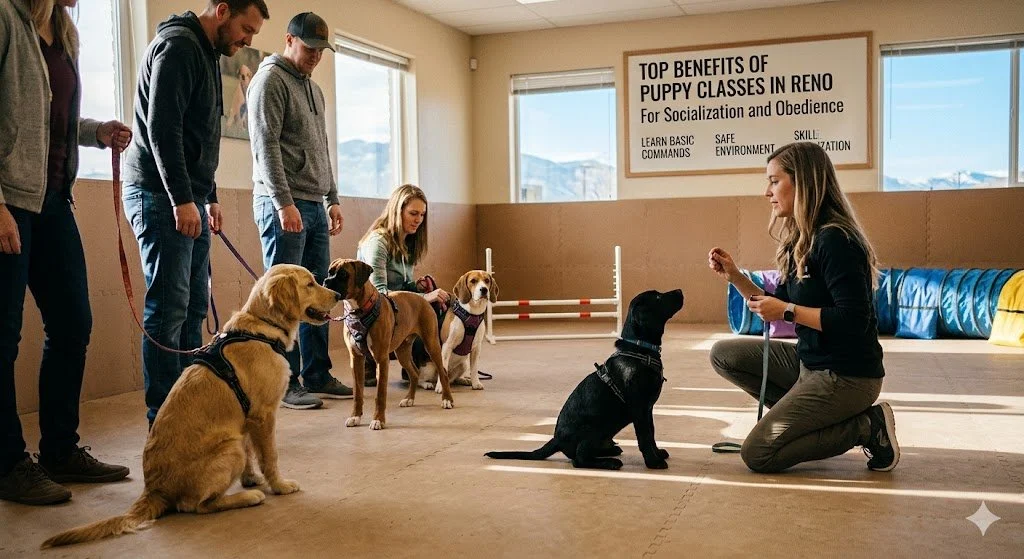
Top Benefits of Puppy Classes in Reno for Socialization and Obedience
Bringing home a new puppy is an exciting experience filled with energy, affection, and unforgettable moments. Along with the joy, however, comes the responsibility of raising a well behaved and confident dog. Early training plays a critical role in shaping your puppy’s personality, behavior, and ability to interact positively with people and other animals. For many dog owners, enrolling in professional puppy classes is one of the smartest decisions they can make during the early stages of their dog’s life.
At Hazard K9, we believe that structured puppy training provides the foundation for lifelong obedience, social confidence, and healthy behavior. Puppies are constantly learning from their environment during the first months of life, which makes this period incredibly important for proper guidance and development. Puppy classes offer a safe and controlled setting where dogs can learn essential skills while building positive experiences with the world around them.
Why Early Puppy Training Matters
The first few months of a puppy’s life are considered a critical learning phase. During this time, puppies absorb information rapidly and develop habits that often stay with them into adulthood. Without proper training and social exposure, puppies may develop fear, anxiety, aggression, or unwanted behaviors that become harder to correct later.
Professional puppy classes help establish structure and consistency early on. Rather than allowing undesirable habits to develop, training introduces clear communication between the owner and the dog from the very beginning. Puppies learn boundaries, expectations, and appropriate behavior while owners gain the knowledge needed to reinforce training at home.
Early training also strengthens the bond between a puppy and its family. Dogs thrive when they understand what is expected of them, and owners feel more confident when they can effectively guide their pet’s behavior.
Building Strong Socialization Skills
One of the biggest benefits of puppy classes is socialization. Puppies that are properly socialized tend to become more adaptable, calm, and confident in different situations. Socialization involves exposing puppies to new people, sounds, environments, and other dogs in a positive way.
Many behavioral issues in adult dogs stem from a lack of socialization during puppyhood. Fearfulness, excessive barking, nervousness around strangers, and leash reactivity can often be traced back to limited early exposure. Puppy classes provide a controlled environment where these interactions can happen safely and gradually.
In a class setting, puppies learn how to interact respectfully with other dogs. They begin to understand canine communication cues and develop healthy play behaviors. This exposure reduces the likelihood of fear based aggression or social anxiety later in life.
Meeting different people is equally important. Puppies that regularly encounter new individuals during training become more comfortable around visitors, children, and unfamiliar faces. This helps create a dog that is easier to handle in public spaces, parks, veterinary clinics, and everyday social situations.
Teaching Basic Obedience Commands
Obedience training is another major advantage of puppy classes. Basic commands provide the framework for good behavior and safety throughout a dog’s life. Learning commands such as sit, stay, come, down, and leave it helps puppies develop impulse control and focus.
Professional instruction ensures that these commands are taught correctly and consistently. Puppies learn through repetition, rewards, and positive reinforcement, which helps them understand desired behaviors more effectively.
Reliable obedience skills are not just about convenience. They also improve safety. A puppy that responds to recall commands is less likely to run into dangerous situations. A dog that understands leave it can avoid harmful objects or food. These foundational commands create better communication between dogs and their owners.
Consistency is often difficult for first time dog owners, especially when puppies become distracted or energetic. Structured classes provide guidance and support to help owners maintain proper training techniques and avoid common mistakes.
Preventing Behavioral Problems Before They Start
Puppies naturally explore the world with curiosity and excitement, but this can sometimes lead to destructive or frustrating behaviors. Chewing furniture, excessive barking, jumping on people, biting during play, and pulling on the leash are all common puppy challenges.
Training classes address these issues early before they become deeply ingrained habits. Puppies learn appropriate alternatives while owners gain practical strategies for managing unwanted behaviors at home.
Addressing behavior problems during puppyhood is far easier than correcting them in adulthood. Early intervention reduces stress for both the dog and the owner while creating a smoother transition into a well mannered adult companion.
Professional trainers can also identify warning signs of anxiety, fear, or reactivity early in development. Catching these issues quickly allows for proactive training that can prevent more serious behavioral challenges later.
Improving Confidence in New Environments
Confidence is an important part of a dog’s emotional well being. Puppies that are exposed to different situations during training often grow into calmer and more resilient adults. Classes introduce puppies to distractions, sounds, surfaces, and experiences that help them feel more comfortable in unfamiliar environments.
Dogs that lack confidence may become fearful or reactive when faced with new situations. Puppy classes encourage gradual exposure and positive reinforcement, helping dogs learn that unfamiliar experiences are safe and manageable.
This confidence becomes valuable throughout a dog’s life. Whether visiting the veterinarian, walking through busy neighborhoods, traveling, or meeting new people, confident dogs are generally easier to manage and enjoy a higher quality of life.
Strengthening the Owner and Puppy Relationship
Training is not only about teaching dogs commands. It is also about building trust and communication between dogs and their owners. Puppy classes encourage teamwork and create opportunities for positive interaction.
When owners learn how to communicate effectively, puppies become more responsive and engaged. This reduces frustration and strengthens the emotional connection between both sides. Training sessions become enjoyable experiences rather than stressful struggles.
A strong relationship built during puppyhood creates long term benefits. Dogs that trust and understand their owners are more likely to listen, cooperate, and remain emotionally balanced throughout their lives.
At Hazard K9, we emphasize the importance of owner involvement during every stage of training. Puppies learn best when training continues consistently at home alongside professional guidance.
Encouraging Better Leash Manners
Leash pulling is one of the most common complaints among dog owners. Puppies that are never taught proper leash behavior often become difficult to control as they grow larger and stronger.
Puppy classes introduce leash manners early by teaching puppies to walk calmly beside their owners and remain attentive during walks. This creates a more enjoyable walking experience and helps reduce frustration for both the dog and the owner.
Proper leash training also improves safety. Dogs that learn not to pull or lunge are less likely to create dangerous situations in public areas or near traffic.
Creating Positive Lifelong Habits
The habits formed during puppyhood often carry into adulthood. Teaching good manners early helps puppies develop into respectful, manageable, and confident adult dogs.
Puppy classes establish routines and expectations that encourage long term success. Dogs learn patience, self control, and appropriate behavior around distractions. These lessons create a strong behavioral foundation that supports future training and daily life.
Owners who invest in early training often experience fewer behavioral issues, better social interactions, and a more rewarding relationship with their dog overall.
Supporting Mental Stimulation and Learning
Puppies need mental exercise just as much as physical activity. Without proper stimulation, boredom can lead to destructive behaviors and excessive energy.
Training classes engage a puppy’s mind through problem solving, learning exercises, and structured interaction. Mental stimulation helps puppies stay focused, reduces stress, and supports healthy cognitive development.
Learning new skills also boosts confidence and encourages puppies to become more adaptable learners. This makes future training easier and more effective as dogs mature.
Choosing the Right Puppy Training Program
Not all puppy classes offer the same level of quality and guidance. It is important to choose a program that focuses on positive reinforcement, structured socialization, and individualized attention.
Experienced trainers understand canine behavior and can adjust training methods based on each puppy’s temperament and learning style. Small class sizes, clean training environments, and balanced instruction all contribute to a more successful experience.
Hazard K9 focuses on helping puppies develop confidence, obedience, and positive social behavior through professional guidance and proven training methods. Our goal is to help owners build strong relationships with their dogs while creating lasting behavioral success.
Puppy classes provide far more than simple obedience lessons. They create the foundation for a well adjusted, confident, and socially balanced dog. Through early socialization, obedience training, behavioral guidance, and mental stimulation, puppies gain the skills needed to thrive in everyday life.
Investing in professional training during puppyhood can prevent future behavioral issues while improving communication between owners and their dogs. The earlier training begins, the greater the long term benefits for both the puppy and the family.
At Hazard K9, we understand the importance of early development and structured learning. Puppy training is not just about teaching commands. It is about shaping a lifetime of positive behavior, confidence, and companionship.
