

Why Early Intervention Matters for Aggressive Dog Behavior in Reno
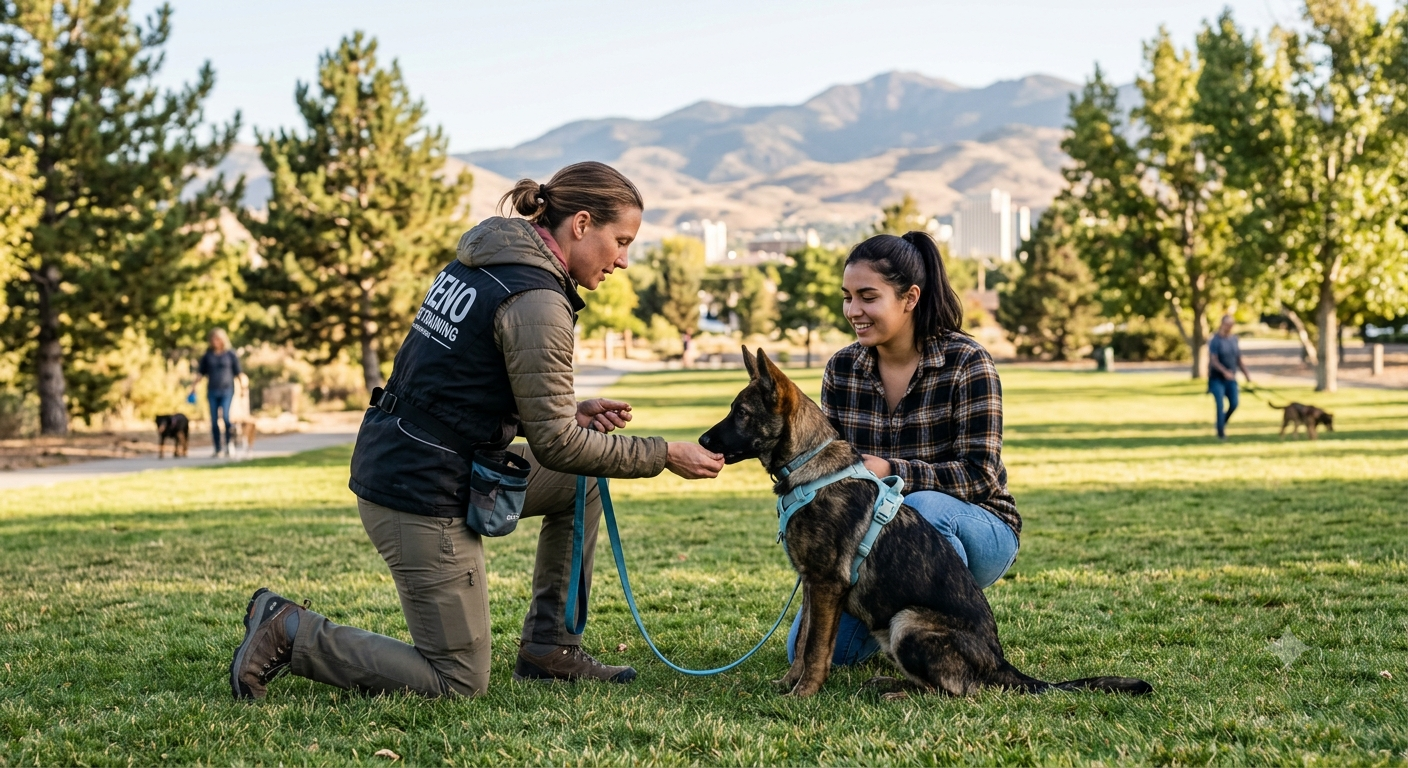
Why Early Intervention Matters for Aggressive Dog Behavior in Reno
Aggressive behavior in dogs is one of the most challenging issues pet owners can face. Whether it appears as growling, lunging, snapping, resource guarding, or territorial reactions, aggression can create stress for families and place both people and animals at risk. Many owners hope these behaviors will improve with time, but aggression rarely resolves on its own. In most cases, it becomes more deeply rooted when left unaddressed.
At Hazard K9, we believe that early intervention is one of the most important factors in helping dogs develop safer, healthier behavior patterns. Addressing aggression at the first signs can significantly improve outcomes and help dogs build confidence while strengthening the bond with their owners.
Understanding Aggressive Dog Behavior
Aggression is often misunderstood as a sign of dominance or a bad temperament. In reality, aggressive behavior usually develops as a response to fear, anxiety, frustration, insecurity, lack of socialization, or previous negative experiences. Dogs use aggression as a way to communicate discomfort or protect themselves when they feel threatened.
Some dogs show aggression toward strangers, while others react to other dogs, family members, or specific situations. Because every dog is different, identifying the underlying cause is essential for creating an effective training plan.
The Earlier the Problem Is Addressed, the Better
Many owners wait until aggressive behavior becomes severe before seeking professional help. Unfortunately, this delay often allows the behavior to become a habit. The longer a dog practices aggressive responses, the more automatic those responses become.
When intervention occurs early, trainers can address the root cause before the behavior becomes deeply ingrained. Puppies and young dogs are especially receptive to learning new behaviors, but dogs of any age benefit from timely training and guidance.
Early intervention helps prevent situations where minor warning signs develop into serious behavioral challenges. A dog that occasionally growls when approached while eating may eventually escalate to snapping or biting if the behavior is ignored.
Preventing Escalation of Fear and Anxiety
Fear is one of the most common drivers of aggressive behavior. When a fearful dog reacts aggressively and the perceived threat moves away, the dog may learn that aggression successfully solves the problem. This reinforcement can strengthen the behavior over time.
Early training helps dogs learn alternative responses to situations that trigger fear or anxiety. Through structured exercises and controlled exposure, dogs can build confidence and develop more appropriate coping mechanisms.
Addressing fear-based aggression early can prevent emotional stress from becoming a long-term issue that affects the dog's overall quality of life.
Improving Safety for Everyone
Aggressive behavior creates safety concerns for family members, visitors, neighbors, and other animals. Even a single bite incident can have serious consequences, including injuries, legal concerns, and emotional trauma.
Early intervention reduces the likelihood of aggressive incidents by teaching dogs how to respond appropriately in challenging situations. Owners also learn how to recognize warning signs, manage triggers, and handle their dogs more effectively.
Creating a safer environment benefits everyone involved and allows owners to feel more confident when taking their dogs into public settings.
Strengthening the Human-Dog Relationship
Aggressive behavior often damages the relationship between dogs and their owners. Many owners become frustrated, anxious, or fearful when they cannot predict how their dog will react. This tension can make everyday interactions stressful.
Professional training and behavior modification help restore trust and communication. As dogs learn new skills and owners gain a better understanding of their pets, relationships often improve significantly.
When dogs feel secure and owners feel confident, both sides benefit from a stronger connection built on clear communication and mutual understanding.
The Importance of Identifying Triggers
One of the key advantages of early intervention is the ability to identify behavioral triggers before they become widespread. Some dogs only react in specific situations, such as encountering unfamiliar dogs, protecting food, or meeting strangers.
By recognizing these triggers early, trainers can develop targeted strategies to reduce reactivity and build positive associations. Waiting too long may result in dogs developing additional triggers, making the rehabilitation process more complex.
A structured assessment allows training programs to focus on the specific factors contributing to aggressive behavior rather than simply addressing the symptoms.
Supporting Better Socialization
Proper socialization plays a critical role in preventing many forms of aggression. Dogs that lack positive exposure to people, animals, and environments during key developmental periods may become fearful or reactive later in life.
Early intervention creates opportunities for controlled social experiences that help dogs build confidence. Positive interactions teach dogs how to navigate the world without relying on defensive behaviors.
Even adult dogs that missed important socialization opportunities can benefit from carefully planned exposure programs designed to improve comfort and confidence.
Creating Long-Term Behavioral Success
Aggression management is not about suppressing behavior. Effective training focuses on changing emotional responses and teaching alternative actions. This process requires consistency, patience, and professional guidance.
The sooner training begins, the easier it is to establish positive habits and prevent unwanted behaviors from becoming deeply embedded. Dogs that receive timely intervention often experience faster progress and more sustainable results.
Owners also gain valuable skills that help maintain success over the long term. Understanding canine body language, reinforcing desired behaviors, and managing challenging situations all contribute to lasting improvement.
Why Professional Guidance Matters
Aggressive behavior can be complex, and every dog presents unique challenges. Attempting to manage serious aggression without professional support can sometimes worsen the problem or create additional risks.
Working with experienced trainers allows owners to receive customized solutions based on their dog's individual needs. Professional evaluation helps identify the underlying causes of aggression and provides a clear path forward.
At Hazard K9, we work closely with owners to develop practical training strategies that address both behavior and communication. Our goal is to help dogs become more balanced, confident, and reliable companions while giving owners the tools they need to support continued success.
Aggressive dog behavior rarely improves through time alone. In many cases, delays in treatment allow unwanted behaviors to become stronger and more difficult to address. Early intervention provides the best opportunity to identify underlying causes, prevent escalation, improve safety, and build healthier behavioral patterns.
With proper training, guidance, and consistency, many aggressive dogs can learn more appropriate responses and enjoy a better quality of life. Hazard K9 is committed to helping Reno dog owners address behavioral concerns before they become larger problems. Through early action and effective training, we can help dogs and their families build stronger, safer, and more rewarding relationships.
