

From Puppyhood to Adulthood: Creating a Complete Training Plan for Your Dog in Reno
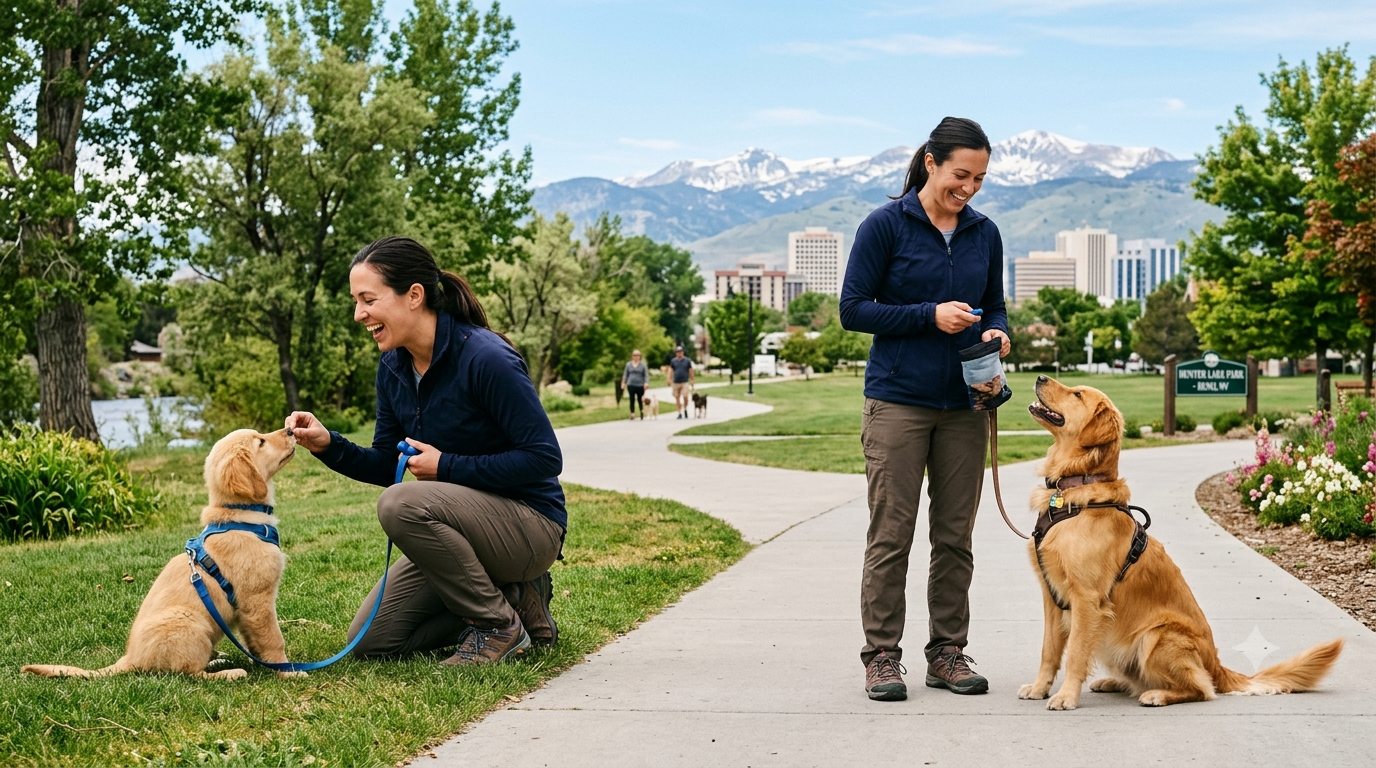
From Puppyhood to Adulthood
Bringing a new dog into your home is an exciting experience, but raising a well-behaved and confident companion requires more than love and good intentions. Dogs go through several developmental stages, and each stage presents unique learning opportunities and challenges. A structured training plan that evolves from puppyhood through adulthood helps create a strong bond while establishing the behaviors needed for a happy and balanced life.
At Hazard K9, we believe that successful training is not a one-time event. It is a continuous process that grows alongside your dog. By understanding what your dog needs at each age, you can create a training roadmap that sets the foundation for lifelong success.
Starting Strong During Puppyhood
The first few months of a dog's life are critical for learning. Puppies are naturally curious and highly impressionable, making this the ideal time to introduce positive experiences, basic obedience, and household routines.
During puppyhood, the focus should be on socialization and foundational behaviors. Puppies need exposure to different environments, sounds, people, and other animals in a safe and controlled manner. Positive experiences during this period help reduce fear and anxiety later in life.
Basic commands such as sit, come, stay, and down should also be introduced early. Training sessions should remain short, engaging, and rewarding. Puppies have limited attention spans, so consistency is more important than duration.
House training should begin immediately. Establishing regular feeding schedules, bathroom breaks, and crate routines can accelerate learning while preventing unwanted habits from developing.
Building Confidence Through Adolescence
Many dog owners find adolescence to be the most challenging stage. Typically occurring between six months and two years of age depending on breed, this phase often brings increased independence, distraction, and testing of boundaries.
Dogs that previously responded well to commands may suddenly appear selective in their obedience. This is a normal developmental stage rather than a sign that training has failed.
During adolescence, it becomes essential to reinforce previously learned commands while gradually increasing distractions. Practicing obedience in parks, neighborhoods, and public settings helps strengthen reliability in real-world situations.
Impulse control exercises become increasingly valuable during this stage. Teaching behaviors such as waiting at doorways, maintaining a place command, and remaining calm around distractions helps develop self-control and focus.
Physical exercise and mental stimulation should also increase as your dog's energy levels grow. Structured activities help channel enthusiasm into productive behaviors and reduce the likelihood of destructive habits.
Advancing Skills for Adult Dogs
As dogs mature, training should shift toward maintaining obedience and refining advanced skills. Adult dogs benefit from continued learning opportunities that challenge both their minds and bodies.
Reliable recall becomes especially important for safety and freedom. A strong recall command allows dogs to enjoy greater independence while remaining under control when needed.
Leash manners should also remain a priority. Consistent expectations help ensure enjoyable walks and safer interactions in public spaces. Dogs that understand proper leash behavior tend to experience less stress and frustration during outings.
Advanced obedience exercises can further strengthen communication between dog and owner. Commands involving duration, distance, and distraction create a higher level of reliability that proves valuable in everyday life.
Many adult dogs also thrive when given jobs or structured activities. Whether through advanced obedience, scent work, protection training, or recreational sports, continued engagement keeps dogs mentally fulfilled and behaviorally balanced.
Creating Consistency Throughout Every Stage
One of the most important elements of any training plan is consistency. Dogs learn through repetition and clear expectations. Frequent changes in rules or routines can create confusion and slow progress.
Every member of the household should follow the same training guidelines. Consistent commands, rewards, and corrections help dogs understand exactly what is expected of them.
Training should not be limited to formal sessions. Everyday interactions provide valuable opportunities to reinforce desired behaviors. Meal times, walks, greetings, and play sessions can all contribute to a dog's education.
Consistency also includes maintaining training as dogs mature. Even well-trained dogs benefit from regular practice that reinforces important skills throughout their lives.
Addressing Behavioral Challenges Early
Behavioral issues often become more difficult to resolve when ignored. Problems such as excessive barking, leash pulling, jumping, reactivity, or anxiety should be addressed as soon as they appear.
Early intervention helps prevent unwanted behaviors from becoming deeply ingrained habits. Identifying the underlying cause of a behavior allows owners to implement effective solutions rather than simply managing symptoms.
Professional guidance can be particularly valuable when dealing with more complex behavioral challenges. Customized training plans help ensure that solutions are tailored to the individual dog's temperament, history, and environment.
Adapting Training to Your Dog's Personality
Every dog learns differently. Breed tendencies, energy levels, temperament, and previous experiences all influence how a dog responds to training.
Some dogs excel with repetitive drills, while others require greater variety and engagement. Understanding your dog's unique personality helps create a training approach that maximizes motivation and learning.
Successful training plans remain flexible while maintaining clear goals. Adjustments can be made to accommodate individual needs without sacrificing consistency or structure.
The Long-Term Benefits of a Structured Training Plan
A comprehensive training plan does more than teach commands. It builds trust, strengthens communication, and creates a positive relationship between dogs and their families.
Well-trained dogs are often more confident, adaptable, and capable of handling new situations. They can participate more fully in family activities while remaining safe and manageable in a variety of environments.
Owners also experience greater peace of mind knowing their dogs understand expectations and can respond reliably when needed. The investment made during early training stages continues to deliver benefits throughout a dog's life.
Creating a complete training plan from puppyhood through adulthood provides a clear path toward raising a well-mannered and confident companion. By focusing on age-appropriate goals, maintaining consistency, and addressing challenges early, dog owners can help their pets develop the skills needed for lifelong success.
At Hazard K9, we understand that every dog is unique and every training journey is different. Our experienced team works closely with owners to create customized programs that support dogs through every stage of development. Whether you are welcoming a new puppy or refining the skills of an adult dog, Hazard K9 is committed to helping you build a stronger partnership with your canine companion.
