

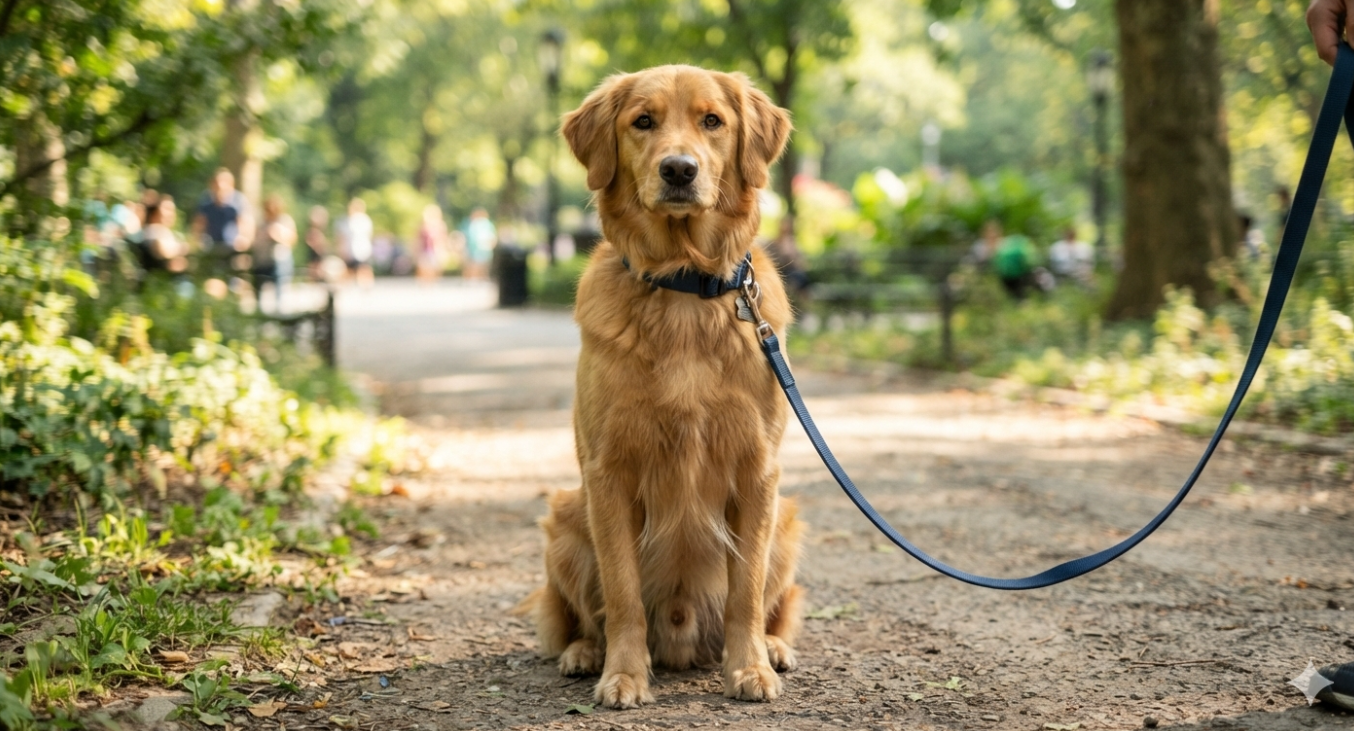
Building a Strong Foundation Beyond Basic Obedience
Teaching a dog to sit, stay, and come when called is an important part of responsible ownership, but these basic commands are only the beginning of a well-rounded training journey. As dogs become more confident and comfortable with their surroundings, they need to develop advanced obedience skills that help them respond reliably in different situations. Whether walking through busy neighbourhoods, visiting local parks, meeting unfamiliar people, or encountering other dogs, consistent obedience makes everyday experiences safer and more enjoyable. Advanced training focuses on developing communication, impulse control, focus, and the ability to follow commands even when distractions are present. We believe that a well-trained dog should understand what is expected of them without needing constant reminders or repeated instructions. For dog owners in Reno, developing these abilities can make a significant difference in creating a calm, confident, and manageable companion.
Why Advanced Obedience Training Matters
Basic obedience provides dogs with essential communication skills, but real-world environments often present challenges that require more than simple commands. A dog might respond perfectly to a recall command at home but completely ignore it when another dog appears at the park. Similarly, a dog that understands how to stay may struggle to remain calm when visitors arrive or when exciting distractions appear during a walk. Advanced obedience training helps bridge this gap by teaching dogs to apply their skills consistently across different environments. It also encourages better decision-making, allowing dogs to pause, focus, and respond appropriately instead of reacting impulsively. We focus on helping dogs understand commands as practical behaviours rather than actions they perform only during structured training sessions. This approach supports better communication between dogs and their owners while creating a more reliable relationship built on trust and consistency.
Reliable Recall in Distracting Environments
Recall is one of the most valuable obedience skills a dog can learn because it directly contributes to their safety. Although many dogs understand the command to come, responding immediately when surrounded by distractions requires additional training and practice. A reliable recall means that a dog returns to their handler even when they are interested in another dog, following an interesting scent, or exploring an unfamiliar environment. In Reno, where owners may take their dogs to parks, walking trails, and open outdoor spaces, this ability can be particularly useful. Training should begin in controlled environments before gradually introducing more challenging situations that test the dog's ability to maintain focus. Consistent rewards, clear verbal commands, and regular practice help reinforce the importance of returning when called. We also encourage owners to avoid repeatedly calling their dogs when they are unlikely to respond, as this can weaken the command over time. A strong recall is not simply about convenience; it is an essential safety skill that gives owners greater confidence during everyday activities.
Heel Training for Controlled and Enjoyable Walks
Walking calmly beside an owner is another important skill that separates basic obedience from advanced training. Dogs naturally become interested in their surroundings, which can lead to pulling, lunging, sudden changes in direction, and difficulty maintaining a consistent walking pace. Heel training teaches dogs to remain close to their handler and pay attention to movement and direction changes. Unlike simply walking without pulling, a proper heel requires the dog to understand positioning and maintain engagement with the person holding the leash. This can be especially helpful when navigating busy Reno neighbourhoods, crowded public spaces, or areas where cyclists and other pedestrians are present. Training should focus on rewarding the correct position and gradually increasing the duration of focused walking. Owners should also practise changing directions and stopping unexpectedly so their dogs learn to remain attentive rather than moving independently. With consistent reinforcement, heel training can transform daily walks into calmer and more enjoyable experiences for both dogs and their owners.
Impulse Control Around People, Animals, and Distractions
Impulse control is a fundamental part of advanced obedience because it teaches dogs to manage their natural excitement and reactions. Some dogs become overly enthusiastic when meeting new people, while others struggle to remain calm when they see squirrels, bicycles, other dogs, or unfamiliar objects. Without proper guidance, these reactions can develop into jumping, barking, pulling, or chasing behaviours. Advanced impulse control training teaches dogs to pause and wait for direction instead of immediately reacting to everything that attracts their attention. Exercises such as waiting before going through a doorway, remaining calm when food is presented, and maintaining position while distractions move nearby can strengthen this ability. We work towards developing controlled responses that become increasingly reliable as the level of distraction changes. This does not mean preventing dogs from expressing their natural personalities or exploring their surroundings. Instead, the goal is to help them understand when excitement is appropriate and when they need to remain focused on their handler.
Place Command for Calm Behaviour at Home and in Public
The place command is an extremely useful advanced obedience skill that teaches dogs to move to a designated location and remain there until released. This location might be a dog bed, training mat, or another clearly defined space where the dog can settle comfortably. Unlike a basic stay command, place training encourages dogs to develop a consistent resting behaviour that can be used in a variety of everyday situations. It can be particularly valuable when guests arrive, during family meals, or when owners need their dogs to remain settled while other activities are taking place. For Reno households with frequent visitors or active family environments, this command can help establish better boundaries and reduce unnecessary excitement. Training should gradually increase the amount of time a dog remains in place while introducing realistic distractions. The release command is equally important because it helps dogs understand when the exercise is complete. A reliable place command gives owners a practical way to encourage calm behaviour without constantly correcting their dogs.
Distance Commands and Working Independently
One of the biggest differences between basic and advanced obedience is the ability to respond to commands without the handler standing directly beside the dog. Distance obedience teaches dogs to follow familiar instructions from several feet away while maintaining attention and understanding. Commands such as sit, down, stay, and recall can be practised at increasing distances as the dog becomes more confident. This skill is useful when owners need to manage their dogs in open spaces or maintain control without constantly moving towards them. It also strengthens communication because dogs must learn to recognise verbal instructions and respond without relying entirely on physical proximity. Training should begin with short distances and simple environments before gradually introducing greater separation and distractions. Owners should avoid increasing distance too quickly, as this can create confusion and reduce the dog's confidence. When properly developed, distance obedience provides an additional level of control that makes everyday interactions more manageable and predictable.
Emergency Stop Commands for Better Safety
An emergency stop command is an important skill that can help prevent dangerous situations. It teaches a dog to stop moving immediately and remain in position when given a specific verbal or visual signal. This can be useful if a dog begins moving towards a road, approaches an unfamiliar animal, or enters an area where continuing forward could create a safety concern. Unlike ordinary recall, which asks a dog to return to their handler, an emergency stop focuses on interrupting movement immediately. Training requires patience because dogs must learn to recognise the command and respond even when they are excited or distracted. The behaviour should first be introduced in a controlled environment before being practised with gradually increasing distances and distractions. We consider emergency response training an important part of developing responsible canine behaviour because it provides owners with another way to manage unexpected situations. Although no command can guarantee complete safety, a well-practised emergency stop can offer valuable additional control.
Calm Greetings and Appropriate Social Behaviour
Social situations can be challenging for dogs that have not learned how to manage their excitement around unfamiliar people and animals. Jumping, barking, pulling towards other dogs, and excessive excitement during greetings can make otherwise friendly interactions difficult to manage. Advanced obedience training teaches dogs to remain composed and wait for permission before approaching people or other animals. This involves developing patience, maintaining a comfortable position, and responding to handler instructions even when something exciting is happening nearby. Dogs should also learn that not every person or animal they encounter needs to become part of a social interaction. This is particularly important in public environments where other dogs may be nervous, recovering from training challenges, or simply uninterested in interacting. We encourage owners to focus on neutral behaviour and controlled introductions rather than expecting every encounter to become a friendly greeting. These skills help dogs become more predictable and comfortable in different social environments while allowing owners to manage interactions responsibly.
Place and Duration Training Around Real-World Distractions
A dog that can remain calm in a quiet training room may behave very differently when exposed to unfamiliar sounds, movement, and activity. This is why advanced obedience should gradually extend beyond familiar training environments. Duration training teaches dogs to maintain a command for longer periods, while distraction training helps them remain focused when something interesting happens nearby. For example, a dog may be asked to remain in a down position while people walk past or while another dog moves at a comfortable distance. The difficulty should increase gradually so the dog has an opportunity to understand and succeed at each stage. Reno offers different types of outdoor environments where owners can practise obedience skills, provided the location is appropriate and the dog is ready for the challenge. Training should always account for the dog's temperament, confidence, and previous experience. The objective is to develop reliable behaviour that carries over into everyday life rather than achieving perfect performance in one familiar location.
Building Confidence Through Structured Training
Advanced obedience is not only about controlling behaviour; it also helps dogs become more confident when facing unfamiliar situations. Dogs that understand their owner's expectations often find it easier to navigate new environments because they have clear instructions to follow. Structured training provides mental stimulation, encourages problem-solving, and creates opportunities for positive interaction between dogs and their handlers. It can also help owners identify behavioural patterns that may require additional attention before they become more difficult to manage. Every dog learns at a different pace, which is why training should be adjusted according to individual needs rather than following a rigid timeline. Some dogs may progress quickly with distance commands, while others may need more time to develop reliable impulse control or calm social behaviour. We believe successful training should focus on steady improvement, consistent communication, and realistic expectations. A confident dog is not necessarily one that responds perfectly in every situation, but one that has the skills and guidance needed to handle everyday challenges appropriately.
The Importance of Consistency Between Training Sessions
One of the most common reasons dogs struggle with advanced obedience is inconsistency between formal training sessions and everyday routines. A dog may follow instructions during a structured lesson but receive different expectations at home, during walks, or when interacting with family members. This can create confusion and make it difficult for the dog to understand which behaviours are expected. Everyone involved in handling the dog should use consistent commands, release signals, boundaries, and reinforcement methods. Short, regular practice sessions are often more effective than occasional lengthy training exercises because they allow dogs to reinforce their learning without becoming overwhelmed. Owners should also recognise that advanced skills require ongoing maintenance rather than a one-time training commitment. Practising recall during walks, reinforcing calm behaviour when guests arrive, and using place commands during everyday routines can help maintain progress. When training becomes part of normal life, obedience skills are more likely to remain reliable across different situations and environments.
Choosing Professional Dog Training in Reno
While owners can practise many obedience exercises independently, professional guidance can make a significant difference when developing advanced skills. An experienced trainer can identify gaps in a dog's existing training, assess behavioural challenges, and create a structured approach that matches the dog's individual needs. This is particularly valuable for dogs that struggle with distractions, inconsistent recall, leash reactivity, excessive excitement, or difficulty maintaining commands outside familiar environments. Professional training also helps owners understand how their timing, communication, and reinforcement methods influence their dog's responses. Rather than focusing only on whether a dog can perform a command, the training process should evaluate how reliably that behaviour works in realistic situations. At Hazard K9, we recognise the importance of developing practical obedience skills that owners can confidently use beyond the training environment. Our approach focuses on helping dogs build better habits while giving owners the knowledge and confidence to maintain those improvements. Choosing the right training support can be an important step towards creating a safer and more rewarding relationship with your dog.
Take Your Dog's Obedience Skills to the Next Level
A well-trained dog should be able to do much more than sit when asked or remain in position for a few seconds. Reliable recall, controlled heel walking, impulse management, distance obedience, emergency stops, and calm social behaviour all contribute to a more confident and manageable companion. These skills make everyday activities easier while helping dogs navigate different environments with greater control and understanding. The most effective training programmes focus on practical results, consistent communication, and behaviours that remain useful long after formal sessions have ended. Every dog has different strengths and challenges, so developing advanced obedience should begin with understanding where your dog currently stands and what improvements will make the biggest difference. If you are ready to move beyond basic commands and develop more reliable behaviour, we are here to help you take the next step. Contact Hazard K9 today to discuss your dog's training needs and discover how structured obedience training can help build a calmer, more responsive, and better-behaved companion in Reno.
