

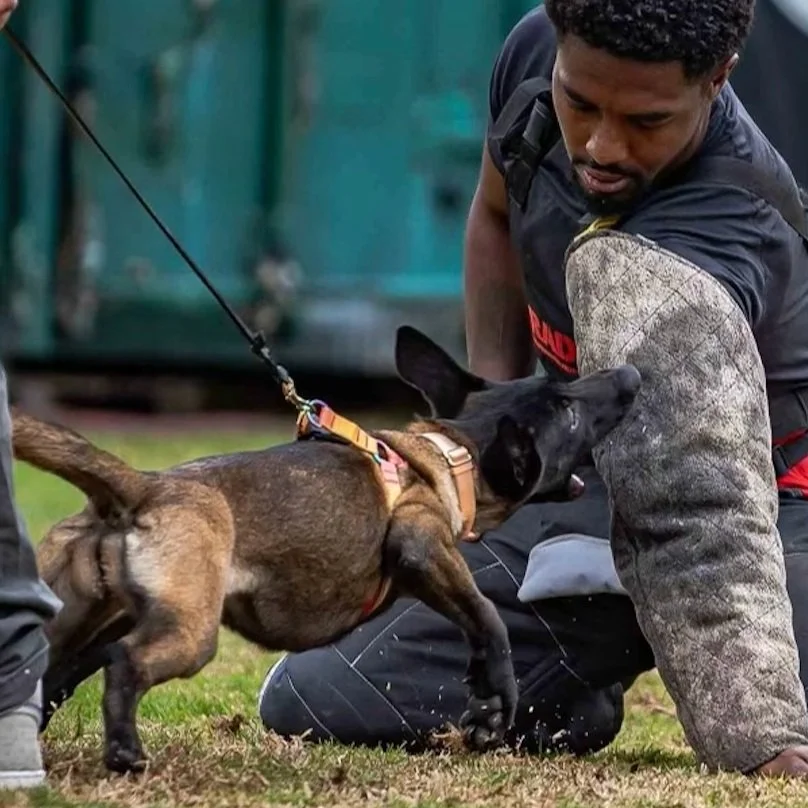
Why Board and Train for Puppies in Reno Is More Than Basic Obedience
Bringing home a puppy is one of the most exciting experiences for any family. It is is also the beginning of an important learning journey that shapes your dog's behavior for years to come. While many people think puppy training is simply about teaching commands like sit, stay, and come, the reality is much more comprehensive. A well designed board and train program helps puppies develop confidence, emotional stability, healthy social skills, and reliable behavior in everyday situations.
At Hazard K9, we believe that successful puppy training goes far beyond teaching obedience. Every lesson is an opportunity to build communication, trust, and lifelong habits that make living with your puppy enjoyable. When training begins early, puppies gain the skills they need to become calm, well mannered companions who are prepared for real life rather than just structured training sessions.
Early Learning Shapes Lifelong Behavior
The first several months of a puppy's life are a critical developmental period. During this stage, puppies are constantly learning from every experience, whether positive or negative. Behaviors practiced repeatedly quickly become habits. A professional board and train environment provides structured learning during this important stage. Instead of allowing unwanted behaviors to become routine, puppies are guided toward making better decisions through consistent training, clear expectations, and positive experiences. This early investment often prevents larger behavioral problems from developing later. Many issues that become difficult in adulthood, including excessive jumping, pulling on the leash, poor impulse control, and ignoring commands, often begin as puppy habits that were never properly addressed.
Confidence Is Just as Important as Obedience
Many people associate puppy training with commands, but emotional development deserves equal attention. Puppies who feel confident adapt more easily to new environments, unfamiliar people, different sounds, and unexpected situations. Confidence cannot be developed through repetition alone. It grows through carefully managed exposure to new experiences while ensuring the puppy feels safe and successful. Professional board and train programs introduce puppies to a variety of controlled situations that encourage curiosity rather than fear. As puppies gain positive experiences, they become more resilient and better equipped to handle everyday life. This confidence often carries into adulthood, reducing anxiety and improving overall behavior in unfamiliar environments.
Socialization Goes Beyond Meeting Other Dogs
Many owners assume socialization simply means letting puppies play with as many dogs as possible. In reality, proper socialization teaches puppies how to remain calm, attentive, and comfortable in many different situations. Effective socialization includes exposure to different surfaces, sounds, vehicles, people of various ages, public settings, grooming procedures, veterinary handling, and changing environments. Puppies also learn when to engage and when to remain calm. This balanced approach helps prevent overstimulation while encouraging appropriate responses to the world around them.
Learning to Focus Despite Distractions
One of the biggest differences between home training and professional board and train programs is the ability to practice around distractions. Most puppies learn commands fairly quickly inside the home where distractions are limited. However, many struggle once they encounter parks, sidewalks, visitors, wildlife, bicycles, or other dogs. Training in a variety of environments teaches puppies that listening applies everywhere, not just in familiar locations. This gradual progression helps build reliability so your puppy understands that expectations remain consistent regardless of where they are.
Building Better Communication
Successful training is really about communication between dogs and their owners. Puppies do not naturally understand human expectations. They learn through consistency, timing, repetition, and clear guidance. Professional trainers help establish this communication by creating understandable routines that puppies can follow with confidence. Rather than relying on constant correction or repeating commands, puppies learn how to make good choices because they clearly understand what is expected. This communication continues long after the training program ends because owners receive guidance on maintaining these habits at home.
Preventing Common Behavior Problems
Many adult behavior issues begin with seemingly harmless puppy behaviors. Jumping on guests may look cute initially, but it becomes much less enjoyable as the dog grows larger. Pulling on the leash often begins as excited puppy exploration. Excessive barking, destructive chewing, poor recall, and lack of impulse control can all develop gradually if not addressed early. A structured board and train program identifies these behaviors before they become established habits. Instead of reacting to problems after they become frustrating, training focuses on prevention by teaching appropriate alternatives from the beginning.
Developing Emotional Control
Puppies naturally become excited, frustrated, curious, and distracted. Learning how to regulate these emotions is an important part of development. Training exercises encourage puppies to remain calm before receiving rewards, wait patiently instead of rushing forward, and settle quietly when excitement is unnecessary. These lessons improve self control, making puppies easier to manage in daily life. Dogs with stronger impulse control often perform better during family gatherings, walks, vet visits, and public outings because they have practiced remaining calm even when exciting things are happening around them.
Establishing Household Manners
Living peacefully with a dog involves much more than responding to commands. Puppies benefit from learning how to greet visitors politely, relax inside the home, wait at doors, remain calm during feeding time, and settle while family members are busy. These practical household manners improve everyday life far more than simply performing obedience exercises on command. Board and train programs incorporate these routines into daily activities so puppies learn that good behavior is expected throughout the day rather than only during formal training sessions.
Creating Reliable Habits Through Consistency
Consistency is one of the greatest advantages of professional puppy training. At home, busy schedules, work obligations, and varying family routines can make daily training difficult to maintain. Puppies often receive mixed messages when different family members respond differently to the same behavior. A structured training environment removes much of this inconsistency. Every interaction becomes a learning opportunity, helping puppies understand exactly what behaviors earn rewards and what behaviors are not acceptable. Repeated success creates habits that become natural rather than forced.
Strengthening the Human and Dog Relationship
Training should never feel like a series of commands. Instead, it should strengthen the bond between dogs and their owners. When puppies understand expectations, daily interactions become less stressful and more enjoyable. Owners gain confidence because they know how to communicate effectively, while puppies become more relaxed because they understand the routines and boundaries that guide their behavior. This mutual understanding creates trust, making training a shared experience rather than a constant struggle.
Preparing Puppies for Everyday Adventures
A well trained puppy is better prepared for the experiences that come with family life. Whether visiting outdoor cafés, hiking local trails, meeting new friends, traveling, or simply enjoying neighborhood walks, a puppy with strong foundational training is more likely to remain calm, attentive, and responsive. These real world skills allow families to include their dogs in more activities without worrying about unpredictable behavior. Training therefore becomes an investment in future experiences rather than just a short term educational program.
Supporting Owners After Training
The success of any puppy training program depends on what happens after the puppy returns home. Professional trainers not only teach puppies but also educate owners on maintaining progress. Understanding how to reinforce good behavior ensures that the lessons learned during training continue throughout adulthood. When owners know how to respond consistently, puppies transition more smoothly back into their home environment while continuing to improve over time. At Hazard K9, we work closely with families so they feel confident handling their puppy and reinforcing the behaviors developed during training.
Investing in a Lifetime of Good Behavior
Board and train for puppies is about much more than teaching obedience commands. It is about shaping emotional development, building confidence, improving communication, encouraging social skills, and creating reliable habits that support a lifetime of positive behavior. The earlier these foundations are established, the easier it becomes for puppies to grow into balanced, trustworthy companions. Rather than correcting long standing behavioral problems later, early professional training provides the structure and guidance puppies need during their most important developmental stage. Choosing a quality puppy board and train program is an investment in your dog's future and in the relationship you will share for years to come. At Hazard K9, we are committed to helping puppies develop the confidence, manners, and life skills that extend far beyond basic obedience, giving families a loyal companion who is prepared for every stage of life.
