

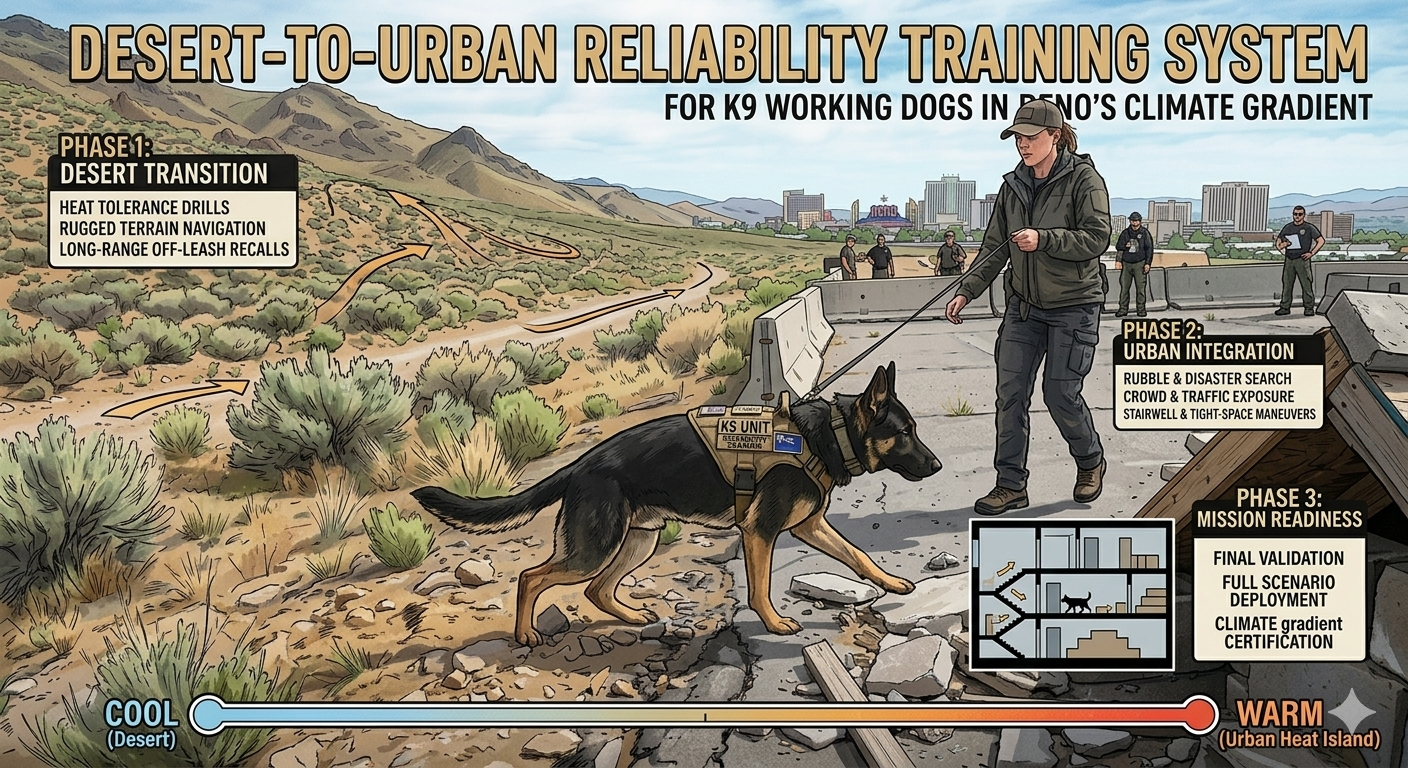
How Board and Train Programs in Truckee Help Dogs Adjust to New Homes
Bringing a dog into a new home is an exciting milestone, but it can also be a stressful transition for both the dog and the family. Even confident dogs need time to understand new routines, unfamiliar surroundings, and different expectations. Puppies may feel overwhelmed by all the new experiences, while adult dogs may struggle to leave behind familiar environments. A structured board and train program helps bridge this adjustment period by teaching dogs how to navigate change with confidence and stability.
At Hazard K9, we understand that successful training is about much more than teaching commands. We focus on helping dogs develop the emotional balance, confidence, and practical life skills they need to settle comfortably into their new homes. When these foundations are established early, families enjoy a smoother transition and dogs become trusted companions more quickly.
Reducing Stress During a Major Life Change
Moving into a new home introduces countless changes for a dog. New smells, unfamiliar rooms, different family members, and altered daily schedules can create uncertainty. Some dogs respond by becoming anxious, while others may become overly excited or develop unwanted behaviors.
A professional board and train program provides consistency during this transition. Dogs learn predictable routines that give them a sense of security while gradually adapting to new expectations. As they gain confidence through structured training, they become more comfortable handling unfamiliar situations without unnecessary stress.
Creating Structure From the Beginning
Dogs thrive when they understand what is expected of them. Clear routines help eliminate confusion and encourage positive behavior throughout the day.
Board and train programs establish consistent schedules for feeding, exercise, rest, play, and training. These routines teach dogs when it is time to be active and when it is time to relax. When dogs return home, these habits make it easier for families to maintain consistency, allowing the adjustment process to continue smoothly.
Teaching Household Manners Early
Many new dog owners focus on teaching obedience commands, but everyday manners often have a greater impact on daily life. Dogs need to learn how to behave calmly inside the home, greet visitors politely, wait at doorways, settle quietly, and respect household boundaries.
These practical behaviors make life more enjoyable for everyone. Instead of constantly correcting unwanted actions, families can focus on building positive interactions with their new companion. Early training helps prevent small issues from becoming long term habits.
Building Confidence in New Environments
Every new home presents unfamiliar sights, sounds, and experiences. Dogs who lack confidence may become hesitant around stairs, slippery flooring, household appliances, or busy neighborhoods.
Board and train programs gradually expose dogs to different environments in a controlled and supportive way. Positive experiences help dogs become comfortable exploring new surroundings while remaining calm and responsive. This confidence carries over into everyday activities, making walks, car rides, and family outings much less stressful.
Strengthening Communication Between Dogs and Owners
One of the biggest challenges during the adjustment period is communication. Dogs do not automatically understand
household rules, and owners may struggle to interpret their dog's behavior.
Professional training creates a common language between dogs and their families. Dogs learn to respond consistently to cues, while owners gain the knowledge needed to reinforce good behavior at home. This mutual understanding reduces frustration and builds trust, making the relationship stronger from the very beginning.
Helping Dogs Feel Secure Around New Family Members
Whether a dog is joining a couple, a family with children, or a household with other pets, learning to interact appropriately is an essential part of the adjustment process.
Board and train programs encourage calm behavior around people while reinforcing patience and self control. Dogs learn that excitement does not always lead to rewards and that relaxed behavior creates positive experiences. These lessons help dogs integrate more comfortably into family life and reduce common issues such as jumping, excessive barking, or demanding attention.
Preventing Common Adjustment Problems
Some dogs experience behavioral challenges when entering a new home. Separation anxiety, destructive chewing, excessive vocalization, house training setbacks, and difficulty settling are all common during major transitions.
Professional training addresses these concerns by building confidence, reinforcing routines, and encouraging calm decision making. Rather than waiting for unwanted behaviors to develop, early training focuses on preventing problems before they become established habits.
Improving Focus Around Everyday Distractions
New homes introduce distractions that many dogs have never experienced before. Delivery drivers, neighborhood activity, passing vehicles, wildlife, visitors, and unfamiliar noises can easily pull a dog's attention away from its owner.
Board and train programs teach dogs to remain focused despite these distractions. By practicing in a variety of environments, dogs learn that listening to their handler remains important regardless of what is happening around them. This reliability creates greater confidence for owners during everyday activities.
Encouraging Emotional Stability
Successful adjustment depends on more than obedience. Dogs also need emotional resilience that allows them to recover quickly from unfamiliar experiences.
Training encourages patience, impulse control, and relaxation through carefully designed exercises. Dogs learn how to remain calm during exciting situations instead of reacting impulsively. This emotional balance helps them adapt more easily to changing routines and unexpected events throughout their lives.
Making Daily Life More Enjoyable
A well adjusted dog becomes an active part of the family rather than a constant source of stress. Simple activities such as relaxing in the living room, welcoming guests, going for neighborhood walks, or visiting public places become much more enjoyable when dogs understand expectations and respond reliably.
Families spend less time managing unwanted behaviors and more time creating positive memories together. This stronger relationship develops because training supports both good behavior and mutual trust.
Supporting Long Term Success
The transition into a new home does not end when training is complete. Continued consistency allows dogs to strengthen the habits they developed during their program. Owners who understand how to reinforce these behaviors help ensure lasting success throughout the dog's life.
At Hazard K9, we work closely with families to make this transition as smooth as possible. Our goal is to provide dogs with the confidence, structure, and practical life skills they need to settle comfortably into their new homes while giving owners the knowledge to continue that progress every day.
Giving Dogs the Best Start in Their New Home
Adjusting to a new home involves much more than learning where the food bowl and bed are located. Dogs need guidance, consistency, confidence, and clear communication to feel truly secure in their new environment. A professional board and train program provides these essential building blocks while helping dogs develop behaviors that support a lifetime of success.
When families invest in structured training during this important transition, they create a stronger foundation for the future. At Hazard K9, we are committed to helping every dog build confidence, develop reliable manners, and make the move into a new home a positive experience that benefits both the dog and the family.
