

From Truckee River Walks to Trail Recall: Training Dogs for Reno's Outdoor Lifestyle
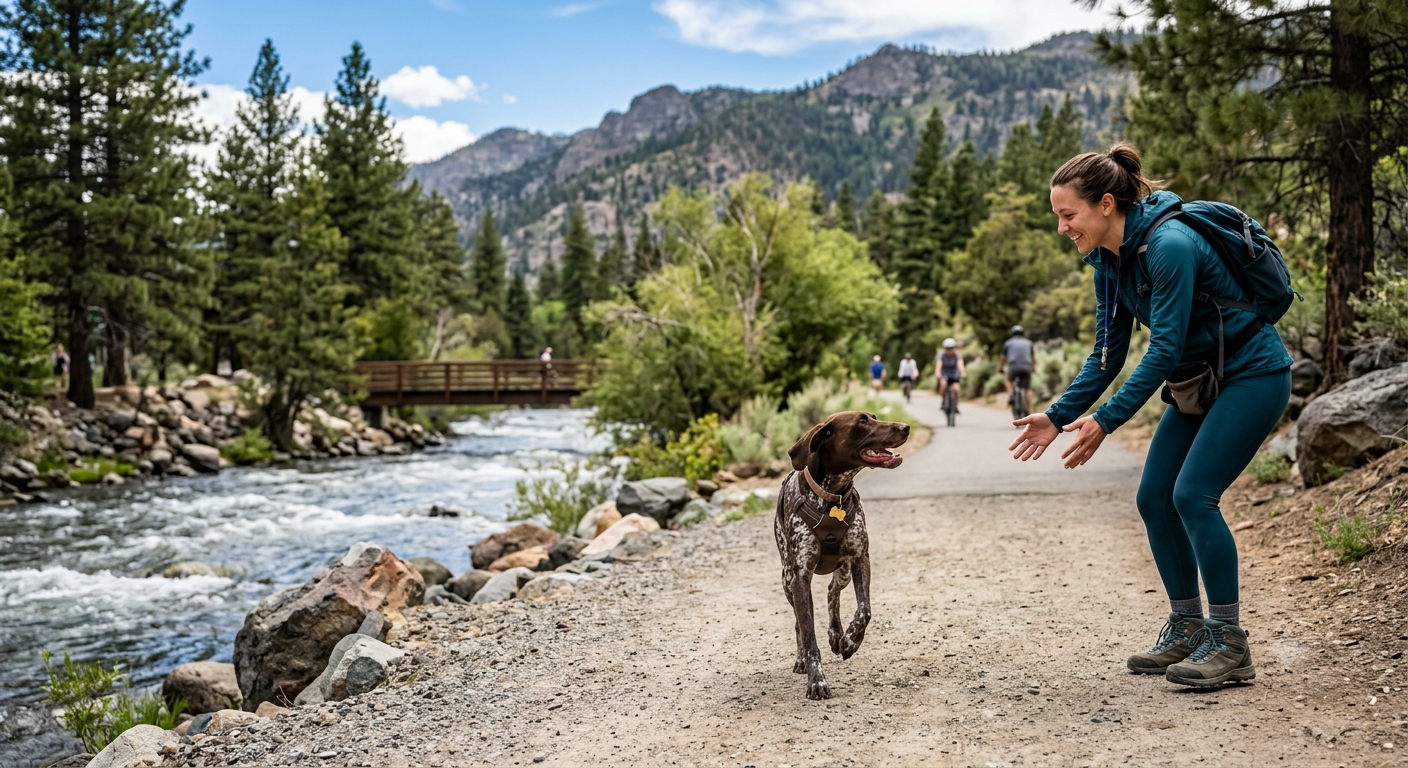
Understanding Reno's Active Outdoor Culture
Reno offers an outdoor lifestyle that is difficult to match, with access to river walks, mountain trails, open spaces, parks, and nearby wilderness areas. For dog owners, this creates countless opportunities to spend meaningful time outside with their companions. However, enjoying these environments safely requires more than simply putting a leash on a dog and heading outdoors. Dogs encounter changing terrain, unfamiliar people, wildlife, bicycles, other dogs, flowing water, and countless distractions that can test even basic obedience. A dog that behaves well inside the home may react very differently when surrounded by the excitement of an outdoor environment. This is why training should prepare dogs for the real situations they are likely to encounter throughout Reno's active lifestyle. At Hazard K9, we believe effective training should help dogs develop the skills and reliability needed to confidently participate in the adventures their families enjoy.
Why Outdoor Obedience Requires More Than Basic Commands
Many owners assume that teaching a dog to sit, stay, and come when called is enough preparation for outdoor activities. While these commands provide an important foundation, real-world environments add layers of difficulty that cannot always be replicated inside a quiet home. A dog may understand recall in the backyard but ignore the same command after spotting a squirrel running across a trail. Similarly, loose leash walking can become much more challenging when another dog, cyclist, or interesting scent appears nearby. Outdoor training requires dogs to understand commands despite competing distractions and unpredictable surroundings. This process helps build reliability by gradually teaching the dog that obedience remains important regardless of where they are or what is happening around them. The goal is not simply to create a dog that performs commands perfectly in controlled conditions, but one that can make appropriate decisions and respond consistently in the environments where families actually spend their time.
Building Reliable Recall for Trails and Open Spaces
Recall is one of the most valuable skills an active outdoor dog can develop. Reno's surrounding trails and open spaces can expose dogs to wildlife, steep terrain, fast-moving cyclists, and other unexpected situations where a reliable return command becomes essential. A strong recall begins with creating positive associations and teaching the dog that returning to their owner is always worthwhile. Training should then progress gradually by introducing distance, distractions, and increasingly challenging environments. Dogs must learn that the recall command has the same meaning whether they are standing a few feet away or investigating something exciting across an open area. Consistency is especially important because allowing a dog to repeatedly ignore recall can weaken the command over time. When developed properly, recall gives owners greater confidence and helps create safer, more enjoyable outdoor experiences.
Developing Focus Around Reno's Everyday Distractions
Outdoor environments are naturally stimulating, and dogs process far more information than most people realize during a walk. The scent of wildlife, movement of other animals, conversations between strangers, traffic sounds, and changes in terrain can all compete for a dog's attention. Training focus does not mean expecting a dog to ignore the world completely or walk through life without curiosity. Instead, it means teaching the dog how to acknowledge distractions without becoming overwhelmed or losing responsiveness to its handler. This ability becomes particularly valuable along busy walking paths and popular recreational areas where distractions can appear without warning. Dogs that learn to check in with their owners and remain mentally connected are generally easier to guide through changing situations. At Hazard K9, we focus on helping dogs understand how to remain responsive while still enjoying the freedom and enrichment that outdoor activities provide.
Loose Leash Walking Along the Truckee River
Walking near the Truckee River can be a relaxing experience, but busy paths can quickly become challenging for dogs that pull, lunge, or become overly excited around distractions. Loose leash walking gives owners greater control while allowing dogs to move comfortably and explore their surroundings. The skill begins by teaching the dog that leash pressure and constant pulling are not necessary for forward movement. Dogs gradually learn to maintain a manageable position while paying attention to changes in direction and pace. Good leash manners also help owners safely navigate narrow paths, crowded areas, and unexpected encounters with other people or animals. Consistency matters because every walk becomes an opportunity for the dog to practice either good or unwanted habits. When loose leash walking becomes reliable, daily outings feel less like a struggle and more like a shared activity that both the owner and dog can genuinely enjoy.
Teaching Dogs How to Handle Wildlife Encounters
Reno's outdoor spaces can bring dogs into proximity with squirrels, rabbits, birds, and other wildlife. For dogs with a strong prey drive, these encounters can instantly trigger intense excitement and impulsive behavior. Training helps create a pause between what the dog sees and how the dog responds. Rather than expecting every dog to eliminate its natural instincts, effective training teaches appropriate control and responsiveness around those instincts. Commands such as recall, place, heel, and leave it can become valuable tools when practiced consistently in progressively distracting environments. Owners also need to understand their individual dog's tendencies and recognize situations that may exceed the dog's current level of training. Responsible outdoor handling means balancing freedom with awareness and making decisions based on the dog's demonstrated reliability. This approach helps protect the dog, local wildlife, and other people who share Reno's outdoor spaces.
Confidence on Different Terrain and Environments
Outdoor adventures expose dogs to surfaces and situations they may not experience in everyday life. Rocky trails, bridges, water crossings, uneven ground, crowded pathways, and unfamiliar sounds can make some dogs hesitant or anxious. Confidence training helps dogs learn how to process new experiences without immediately reacting with fear or avoidance. The goal is not to force a nervous dog into uncomfortable situations but to introduce challenges at an appropriate pace. Gradual exposure combined with clear communication allows the dog to build positive experiences and greater trust in its handler. Confident dogs are generally better equipped to adapt when an outdoor adventure presents something unexpected. Training also helps owners recognize the difference between a dog that needs encouragement and a situation where giving the dog more space or time is the better choice.
Impulse Control Creates Safer Outdoor Adventures
Impulse control plays a major role in determining how well a dog behaves outside. A dog may know several commands but still struggle if excitement consistently overrides its ability to think and respond. Training impulse control teaches dogs that they do not need to react immediately to every movement, sound, or opportunity they encounter. This can be especially useful when passing other dogs, waiting near trail intersections, approaching water, or encountering wildlife. Exercises that encourage patience and engagement help strengthen the dog's ability to pause and look toward its handler for direction. Over time, this creates a calmer mindset that can carry into many different situations. The benefit extends beyond formal training because impulse control can make everyday activities more predictable and less stressful for both dogs and owners. A dog that can manage excitement is often able to enjoy greater freedom because its owner has more confidence in its decision-making.
Preparing for Social Encounters on Popular Trails
Not every dog needs to greet every person or animal encountered during an outdoor adventure. In fact, teaching neutrality can be more valuable than encouraging constant social interaction. Popular walking areas often include joggers, cyclists, families, children, and dogs with different personalities and comfort levels. A well-trained dog should be able to move past these distractions without assuming that every encounter requires engagement. This does not mean a dog must become unfriendly or withdrawn from the world. Instead, the dog learns that calm behavior and attention to its handler are appropriate default responses when passing unfamiliar people and animals. Training neutrality can significantly reduce pulling, barking, lunging, and frustration during busy outings. Hazard K9 helps owners develop practical obedience skills that support calmer interactions and more enjoyable experiences in real-world environments.
Off-Leash Freedom Must Be Earned Through Training
The idea of allowing a dog off leash can be appealing, especially when exploring open areas and wide trails. However, off-leash freedom should be viewed as a level of responsibility rather than a simple privilege based on location. Before a dog is given this freedom, it should demonstrate reliable recall, impulse control, environmental confidence, and the ability to remain responsive around distractions. Owners should also understand that training reliability can vary depending on the environment and level of stimulation. A dog that performs beautifully in a familiar park may need additional preparation before being trusted in a more remote or wildlife-rich location. Building reliability requires repetition and gradual progression rather than testing a dog's limits too quickly. Responsible training creates a stronger foundation for freedom and allows outdoor experiences to become safer for everyone involved.
Creating Consistency Between Training and Everyday Life
The most successful outdoor dogs are not trained only during scheduled obedience sessions. Their skills are reinforced through everyday routines, walks, outings, and interactions with their families. Consistency helps dogs understand that expectations do not disappear simply because the environment changes. Owners can reinforce engagement before crossing a street, practice patience before exiting the car, and reward calm behavior when encountering distractions. These small moments create thousands of opportunities for learning throughout the dog's life. Training becomes more effective when it is integrated naturally into the relationship rather than treated as something that happens only during a specific hour of the week. Dogs benefit from clear expectations, predictable communication, and owners who understand how to reinforce the behaviors they want to see. This consistency is particularly important for active families because outdoor environments constantly present new situations that require practiced skills.
Training for a Lifestyle, Not Just a Command List
Every dog owner has a different vision for life with their companion. Some want peaceful walks along the river, while others dream of long hikes, camping trips, mountain adventures, or reliable off-leash exploration. Effective training should consider these goals and prepare the dog for the specific lifestyle the family wants to enjoy. A command list alone does not necessarily create a well-adjusted outdoor companion because dogs must also learn confidence, impulse control, engagement, and environmental awareness. The best results come from building a strong foundation and then applying those skills to real-life situations. Training should evolve as the dog develops and as the family's activities become more advanced. By focusing on practical obedience instead of performance in a controlled setting alone, owners can create meaningful improvements that carry into everyday adventures. With thoughtful preparation and consistent guidance, Reno's outdoor lifestyle can become an opportunity for dogs and their owners to build stronger communication, trust, and unforgettable experiences together.
