

How Health and Nutrition Affect Learning During Dog Training in Reno
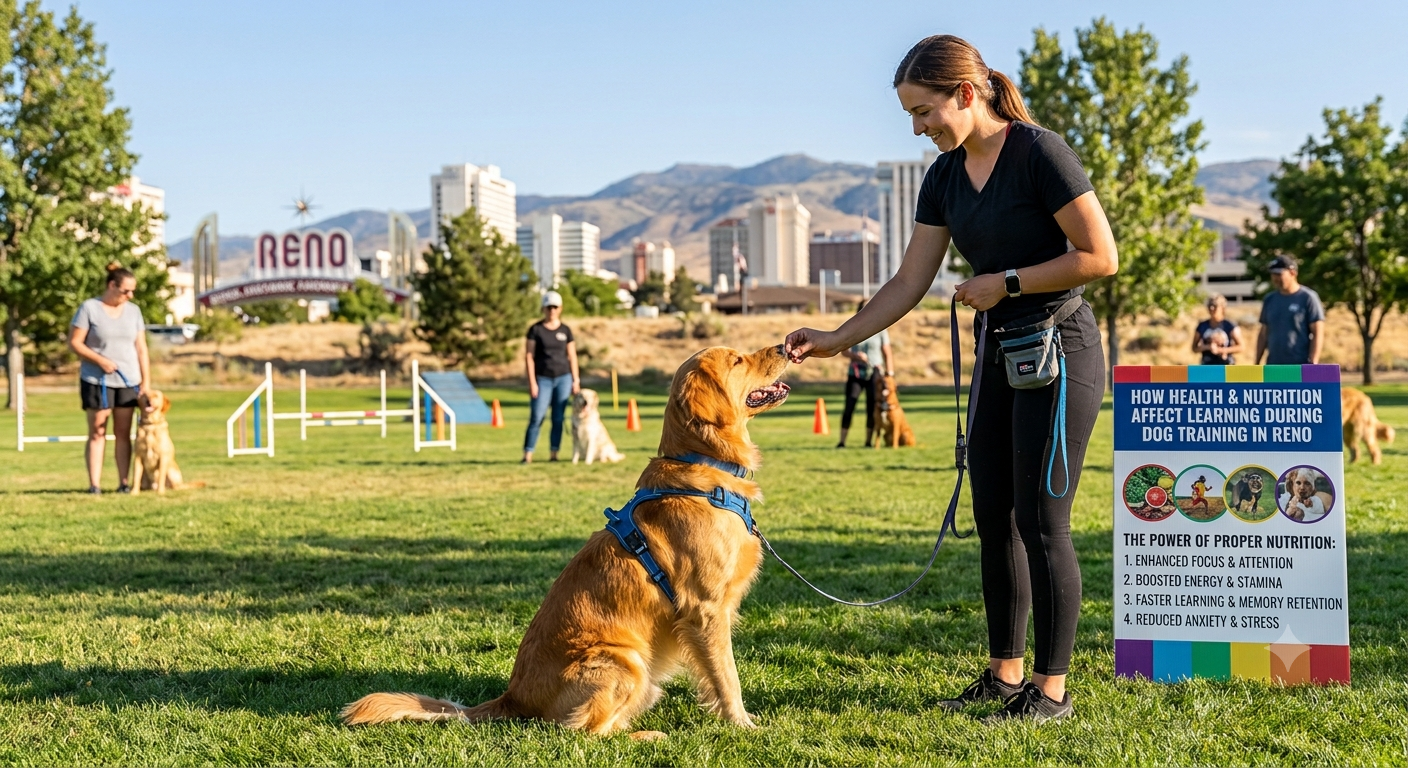
How Health and Nutrition Affect Learning During Dog Training in Reno
Training a dog is about much more than teaching commands and correcting unwanted behaviors. A dog's ability to learn is closely connected to overall health, balanced nutrition, physical fitness, and emotional well-being. Just as people perform better when they are healthy and properly nourished, dogs absorb information more effectively when their bodies and minds are functioning at their best. At Hazard K9, we believe successful training begins with understanding the complete picture of canine wellness. When owners recognize how nutrition, hydration, exercise, and preventive healthcare contribute to learning, they create an environment where their dogs can thrive throughout every stage of training.
The Connection Between Physical Health and Learning Ability
A healthy body provides the foundation for a healthy mind. Dogs experiencing discomfort from illness, joint pain, digestive problems, allergies, or untreated medical conditions often struggle to remain focused during training sessions. Even mild physical discomfort can reduce attention span, increase frustration, and slow the learning process. Before expecting consistent progress, it is important to ensure that a dog receives regular veterinary checkups and maintains good overall health. Healthy dogs typically display greater curiosity, stronger motivation, and improved engagement, allowing training sessions to become more productive and enjoyable for both the dog and the owner.
Physical conditioning also influences endurance during training. Dogs with appropriate muscle strength, healthy weight, and sufficient cardiovascular fitness can participate in longer sessions without becoming overly fatigued. Excess weight may place unnecessary stress on joints and reduce mobility, while underweight dogs may lack the energy needed for sustained concentration. Maintaining physical fitness allows dogs to perform commands confidently while reducing the risk of injury during activities that involve agility, obedience, or advanced behavioral exercises. A well-conditioned dog is often better prepared to handle both mental and physical challenges throughout training.
Why Proper Nutrition Supports Better Learning
Nutrition fuels every function within a dog's body, including brain activity. High-quality proteins provide amino acids that support muscle development and neurological function, while healthy fats contribute to cognitive performance and nervous system health. Essential vitamins and minerals assist countless biological processes that influence memory, attention, and overall brain development. When dogs receive balanced nutrition that meets their age, breed, activity level, and medical needs, they are often more alert, responsive, and capable of retaining new information during training.
Poor nutrition can produce the opposite effect. Diets lacking important nutrients may contribute to low energy, digestive discomfort, inconsistent behavior, and difficulty maintaining focus. Some dogs may become irritable or restless when nutritional requirements are not being met, making it more challenging to establish reliable training habits. Consistency in feeding schedules also plays an important role because predictable meal times help stabilize energy levels throughout the day. Selecting appropriate food with guidance from a veterinarian helps support learning while contributing to long-term health.
Hydration Plays a Bigger Role Than Many Owners Realize
Water is frequently overlooked when discussing canine learning, yet proper hydration is essential for normal brain function and physical performance. Even mild dehydration can reduce energy, affect concentration, and increase fatigue during training exercises. Dogs participating in outdoor training sessions, especially during warmer months in Reno, may require additional water to replace fluids lost through physical activity and panting. Providing fresh water before, during breaks, and after training sessions helps maintain comfort while supporting consistent performance.
Hydration also contributes to temperature regulation and healthy organ function. Dogs that become overheated often lose interest in learning because their bodies prioritize cooling down instead of focusing on commands. Trainers and owners should recognize early signs of overheating or dehydration and respond promptly by allowing rest periods and offering clean drinking water. Building hydration into every training routine encourages both safety and improved learning outcomes over time.
The Importance of Mental Wellness During Training
A dog's emotional state significantly affects its ability to learn. Anxiety, chronic stress, fear, or uncertainty can interfere with information processing and reduce confidence during training sessions. Dogs that constantly feel overwhelmed may hesitate to explore new behaviors or respond inconsistently to familiar commands. Creating a calm, predictable environment encourages relaxation, allowing dogs to concentrate on learning rather than reacting to stressors around them.
Positive interactions help strengthen trust between dogs and their handlers. Reward-based training methods build confidence while encouraging dogs to actively participate in learning activities. Consistent routines, patient guidance, and realistic expectations reduce unnecessary pressure and create opportunities for lasting behavioral improvements. Emotional stability often results in faster learning, improved reliability, and stronger communication between owners and their dogs.
How Sleep and Recovery Improve Training Success
Quality sleep is essential for memory formation and cognitive processing. During periods of rest, dogs consolidate the information they learned throughout the day, helping transform new experiences into long-term behaviors. Dogs that receive adequate sleep often demonstrate better recall of commands and improved consistency during future training sessions. Puppies, senior dogs, and highly active breeds may require additional rest to support healthy development and recovery.
Overtraining without sufficient recovery can reduce motivation and increase mental fatigue. Long sessions may overwhelm dogs, causing frustration and decreasing overall effectiveness. Short, focused training periods followed by rest often produce better results than extended sessions with few breaks. Allowing recovery gives both the body and brain time to process new experiences while maintaining enthusiasm for future learning opportunities.
Nutrition Adjustments Throughout Different Life Stages
A dog's nutritional requirements change throughout its lifetime, and these changes influence training effectiveness. Puppies require diets rich in nutrients that support rapid growth, brain development, and healthy bones while they are learning foundational behaviors. Adult dogs benefit from balanced diets that maintain lean muscle, healthy weight, and stable energy for ongoing obedience and skill development. Senior dogs may require specialized nutrition that supports joint health, cognitive function, and overall mobility as aging naturally affects physical performance.
Training strategies should also adapt alongside nutritional changes. Younger dogs may have shorter attention spans but higher energy levels, while older dogs may learn at a slower pace despite possessing valuable life experience. Recognizing these differences allows owners to adjust both feeding routines and training expectations appropriately. At Hazard K9, we encourage owners to consider nutrition and life stage together when developing long-term training goals that promote both learning and overall wellness.
Exercise Creates the Right Balance for Learning
Regular exercise prepares dogs mentally and physically for productive training sessions. Appropriate physical activity helps release excess energy, making it easier for dogs to settle, concentrate, and respond to commands. Dogs that rarely exercise may struggle with restlessness, while excessively tired dogs may become distracted or unmotivated. Finding the right balance between exercise and training allows dogs to remain alert without becoming exhausted.
Mental exercise is equally valuable because learning itself challenges the brain. Activities involving scent work, puzzle toys, problem solving, and controlled obedience exercises stimulate cognitive development while preventing boredom. Combining physical movement with mental enrichment creates a well-rounded routine that supports learning in a variety of environments. Dogs that regularly engage both body and mind often demonstrate greater adaptability and improved confidence during training.
Creating a Healthy Lifestyle That Supports Long-Term Success
Successful training is not built during isolated lessons but through consistent daily habits that promote overall health. Nutritious meals, regular exercise, proper hydration, quality sleep, preventive veterinary care, and emotional stability all work together to strengthen a dog's ability to learn. Owners who invest in these areas often notice improvements not only in obedience but also in behavior, confidence, and overall quality of life. Training becomes more rewarding when dogs feel physically comfortable and mentally prepared to succeed.
Our approach at Hazard K9 recognizes that every dog is unique, with individual nutritional needs, health considerations, and learning styles. By combining professional training methods with a strong emphasis on canine wellness, we help dogs develop reliable behaviors while supporting lifelong physical and mental health. When owners understand the powerful relationship between health, nutrition, and learning, they build stronger partnerships with their dogs and create lasting success that extends well beyond the training field.
