

Why Professional Dog Training Is More Than Teaching Simple Commands
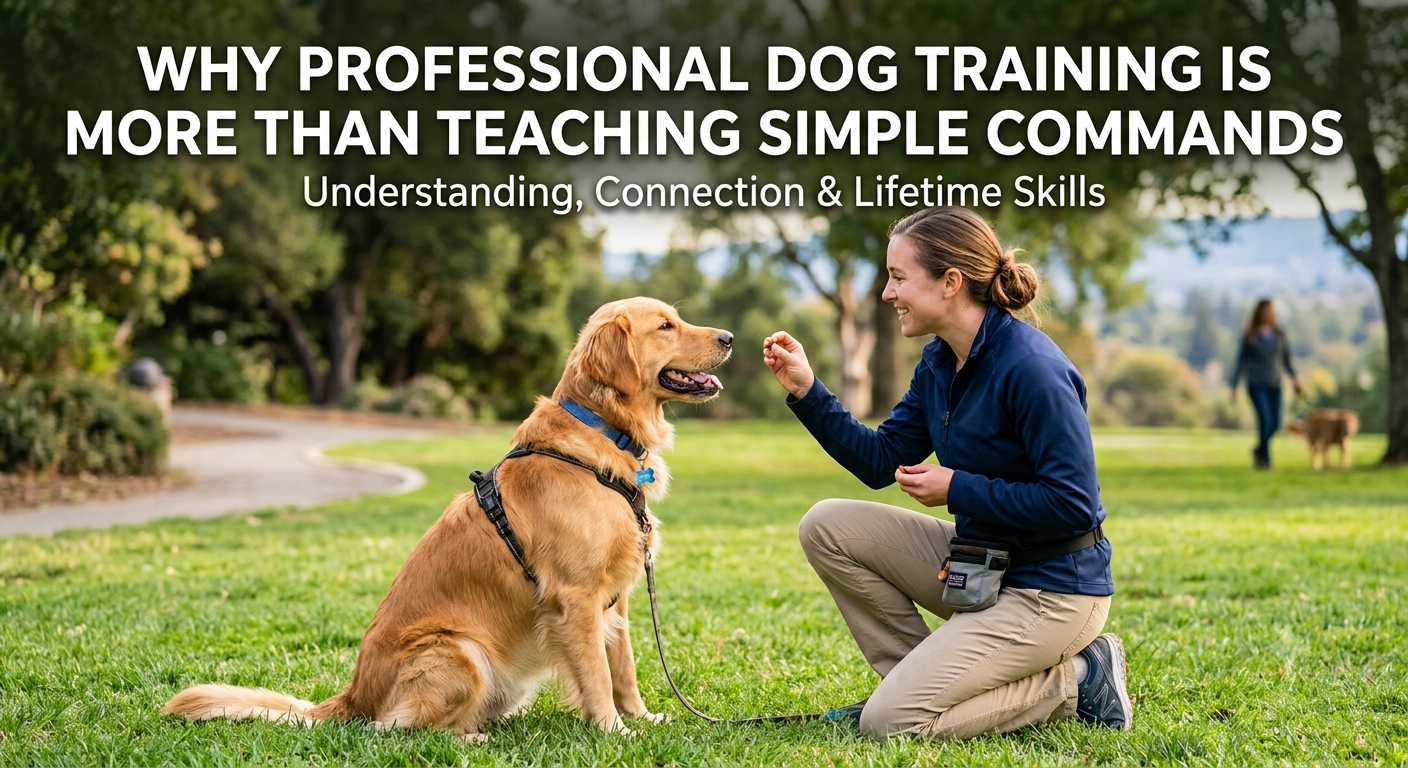
Why Professional Dog Training Is More Than Teaching Simple Commands
Many people assume that dog training begins and ends with teaching a pet to sit, stay, come, or lie down. While these commands certainly play an important role, they represent only a small part of what professional training is designed to accomplish. A well-trained dog is not simply one that follows instructions but one that understands how to behave appropriately in different environments, responds calmly under pressure, and develops a stronger relationship with its owner. At Hazard K9, we believe that meaningful training creates lasting behavioral changes that improve everyday life for both dogs and their families. Our approach focuses on developing confidence, communication, and trust instead of relying on memorized commands alone. This foundation helps dogs become reliable companions in a wide variety of real-world situations.
Understanding the Psychology Behind Dog Behavior
Professional training begins by understanding why dogs behave the way they do rather than simply correcting unwanted actions. Every dog has its own personality, motivation, energy level, and learning style, which means effective training cannot follow a one size fits all approach. Behavioral issues often develop because of confusion, fear, lack of structure, or inconsistent communication instead of stubbornness. By identifying the root causes of these behaviors, trainers can create customized strategies that encourage better decision making and emotional balance. This process teaches owners how their dogs think, making it easier to guide positive behavior consistently. When owners understand canine psychology, they become active participants in long-term behavioral success.
Building Reliable Communication Between Dogs and Owners
Training is essentially a language that allows dogs and humans to understand one another more effectively. Dogs naturally observe body language, timing, tone of voice, and consistency when interpreting instructions from their owners. Professional training helps establish clear communication so that dogs know exactly what is expected in various situations. Instead of relying on repeated commands or frustration, owners learn how to provide consistent guidance that dogs can understand with confidence. This creates fewer misunderstandings and reduces anxiety for both the pet and the family. Strong communication becomes the foundation for every future interaction throughout the dog's life.
Confidence Is Just as Important as Obedience
One of the greatest benefits of professional training is helping dogs develop confidence in unfamiliar environments and situations. Many unwanted behaviors stem from insecurity rather than defiance, including excessive barking, avoidance, nervousness, and even aggression. Through carefully structured exercises, dogs gradually learn how to process new experiences without becoming overwhelmed. As their confidence grows, they become more comfortable meeting new people, encountering other animals, and adapting to changing surroundings. This emotional stability contributes to better decision making and healthier behavior in everyday life. Confident dogs are generally happier, more relaxed, and easier to manage regardless of where they go.
Teaching Self Control Instead of Constant Correction
Professional dog training emphasizes self control rather than endless correction. Instead of waiting for unwanted behaviors to occur, trainers focus on teaching dogs how to make appropriate choices independently. This includes remaining calm around distractions, resisting impulsive reactions, and maintaining focus even in stimulating environments. As dogs repeatedly practice these behaviors, good decisions become habits rather than temporary responses. Owners benefit because they spend less time correcting problems and more time enjoying positive interactions with their pets. Developing self control creates dependable behavior that continues long after formal training sessions have ended.
Real World Training Goes Beyond the Classroom
A dog that performs perfectly inside a quiet training facility may struggle when faced with busy sidewalks, parks, shopping areas, or family gatherings. Professional training prepares dogs for these real-world challenges by introducing gradually increasing levels of distraction and complexity. Learning how to remain focused despite noise, movement, unfamiliar people, or other animals is an essential part of comprehensive education. Dogs that experience realistic training environments become more dependable because they learn that expectations remain consistent wherever they are. This practical experience gives owners confidence when taking their dogs into everyday public settings. Reliable behavior develops through repeated success across many different environments.
Preventing Behavioral Problems Before They Grow
Many behavioral challenges become more difficult to correct when they are ignored during the early stages. Professional training helps identify developing issues before they become deeply ingrained habits. Small concerns such as jumping, pulling on the leash, excessive excitement, or inconsistent recall can eventually lead to larger behavioral complications if left unaddressed. Early guidance allows dogs to build healthy habits while replacing undesirable behaviors with more appropriate responses. Preventive training often saves owners significant time, frustration, and expense in the future. Investing in proper education early creates long-term benefits that continue throughout the dog's life.
Strengthening the Human and Dog Relationship
The relationship between a dog and its owner grows stronger when trust and mutual understanding become part of everyday interactions. Professional training encourages teamwork instead of conflict, allowing both sides to communicate with greater clarity and confidence. As dogs consistently experience fair expectations and positive guidance, they become more willing to cooperate in different situations. Owners also gain a better understanding of their dog's emotions, motivations, and natural instincts. This mutual respect transforms daily routines into enjoyable experiences rather than stressful challenges. A stronger relationship leads to greater companionship and a more fulfilling life together.
Adapting Training to Different Breeds and Personalities
Every breed has unique characteristics that influence learning, motivation, and behavior. Working breeds often require mental stimulation and structured tasks, while companion breeds may respond differently to training methods. Individual personality also plays a significant role, meaning two dogs of the same breed may require different approaches. Professional trainers evaluate each dog's temperament, energy level, confidence, and responsiveness before creating an effective training plan. This personalized approach allows learning to progress naturally without unnecessary pressure or unrealistic expectations. Tailoring training to each dog produces more reliable and lasting results than generic methods.
Supporting Lifelong Learning and Good Habits
Training should never be viewed as a temporary activity that ends after a few weeks of lessons. Dogs continue learning throughout their lives, making ongoing reinforcement an essential part of maintaining reliable behavior. Professional training gives owners the knowledge and skills needed to continue building upon established foundations long after formal sessions conclude. Consistent practice during everyday routines strengthens existing behaviors while preventing regression over time. Dogs thrive when expectations remain clear and opportunities for learning continue to be part of their daily lives. This lifelong approach creates stable behavior that evolves alongside the changing needs of both the dog and the family.
Why Professional Guidance Makes a Lasting Difference
Although many owners can teach basic commands at home, professional training provides a level of expertise that extends far beyond simple obedience. Experienced trainers understand canine behavior, learning theory, environmental influences, and effective communication techniques that contribute to lasting behavioral transformation. At Hazard K9, we work alongside owners to create practical solutions that address both current challenges and future goals. Our focus remains on building confident, balanced, and dependable dogs that can succeed in everyday life rather than simply performing commands on cue. When training addresses emotional development, communication, and real-world reliability, the results become meaningful and long lasting. Investing in professional guidance helps create a safer, happier, and more rewarding partnership that benefits both dogs and their families for years to come.
At Hazard K9, we believe professional dog training is an investment in your dog's overall quality of life rather than a short-term lesson plan. By focusing on communication, confidence, emotional stability, self control, and practical real-world skills, we help dogs become dependable companions capable of thriving in a wide range of environments. Simple commands are only the starting point, while true training develops the behaviors and relationships that make everyday life safer, more enjoyable, and more rewarding for everyone involved.
