

How Professional Dog Walking Reinforces Obedience Between Training Sessions
Why Consistency Matters More Than Occasional Practice
Every dog owner wants to see steady progress after investing time and effort into training. While formal training sessions establish important behaviors, those lessons can quickly fade if they are not reinforced throughout the week. Dogs learn through repetition, structure, and clear expectations, which means every interaction has the potential to strengthen or weaken their understanding of commands. A simple daily walk becomes much more than physical exercise when handled correctly. It becomes another opportunity to encourage calm behavior, reinforce boundaries, and build confidence. At Hazard K9, we believe that maintaining consistency between training sessions helps dogs develop reliable habits that last far beyond the classroom.
Every Walk Is Another Training Opportunity
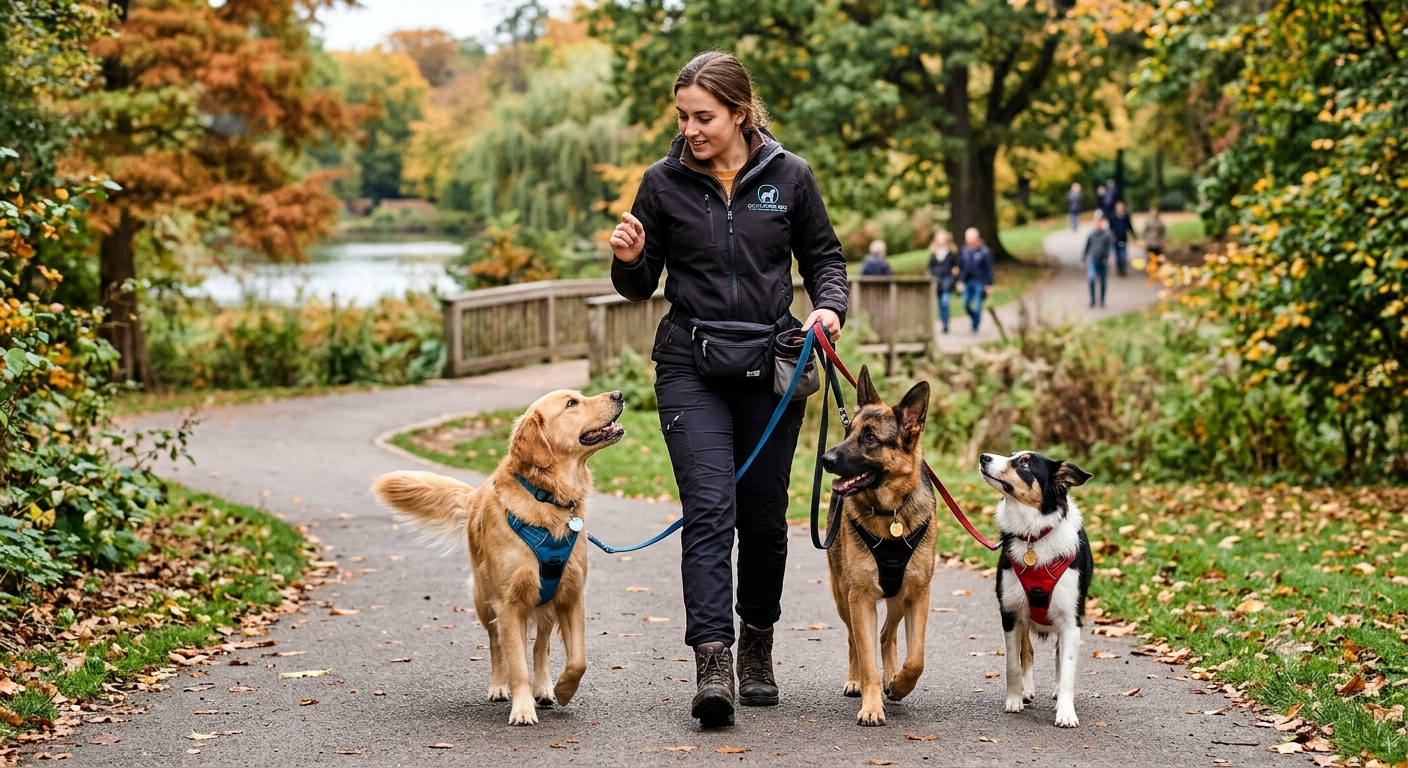
Many people think of walking as a routine activity meant only to burn off excess energy. In reality, a walk presents countless situations where obedience can be practiced naturally. Dogs encounter new scents, unfamiliar people, other animals, traffic, and environmental distractions during every outing. Each of these moments allows commands such as heel, sit, stay, leave it, and recall to be reinforced in practical settings. Repeating these expectations during daily walks teaches dogs that obedience is required everywhere, not only during dedicated training sessions. This steady reinforcement helps transform learned behaviors into automatic responses.
Reinforcing Leadership Through Structured Walks
Dogs naturally look for guidance when navigating unfamiliar situations. A structured walk provides an excellent opportunity for handlers to demonstrate calm leadership without relying on harsh corrections. Maintaining a controlled pace, asking for occasional obedience commands, and rewarding appropriate behavior teaches the dog that listening leads to positive outcomes. Instead of allowing the dog to make every decision about direction, speed, and stopping points, structured walking creates clear communication between dog and handler. This consistency strengthens trust while reducing uncertainty and impulsive behaviors that often develop from inconsistent routines.
Preventing Bad Habits Before They Become Permanent
One of the biggest challenges owners face after completing training is allowing unwanted behaviors to slowly return. Pulling on the leash, ignoring commands, excessive barking, or reacting to distractions often begins with small lapses in consistency. These habits can quickly become reinforced if they occur every day without correction. Professional dog walking bridges the gap between formal lessons by ensuring expectations remain consistent throughout the week. Rather than allowing undesirable behaviors to develop again, every walk reinforces the same standards that were introduced during structured training sessions, making long term success far more achievable.
Strengthening Focus Around Everyday Distractions
Training facilities provide controlled environments where new skills can be introduced safely. Everyday neighborhoods, however, present constantly changing distractions that challenge a dog's ability to focus. Passing bicycles, delivery trucks, children playing, wildlife, and unfamiliar dogs all compete for the dog's attention. Professional walks expose dogs to these situations repeatedly while encouraging calm decision making. Over time, dogs become less reactive because they learn that paying attention to their handler consistently leads to guidance, rewards, and successful navigation through distracting environments without unnecessary stress or excitement.
Building Confidence Through Predictable Routines
Confidence develops when dogs understand what is expected of them. Unclear boundaries often create anxiety because the dog is left to make decisions without direction. Predictable walking routines reduce uncertainty by providing structure during one of the most stimulating parts of the day. Consistent commands, familiar expectations, and calm handling allow dogs to approach new experiences with greater confidence. As they repeatedly succeed in different environments, their ability to remain composed improves naturally. This confidence extends beyond walks and often appears during visits to public spaces, veterinary appointments, and interactions with guests.
Improving Leash Manners Every Single Day
Loose leash walking is one of the most requested obedience skills because it directly affects the enjoyment of daily exercise. Unfortunately, leash manners require continual reinforcement long after initial training has been completed. Every walk either strengthens polite walking habits or unintentionally rewards pulling and lunging. Professional dog walkers consistently reinforce proper leash behavior by encouraging calm movement, rewarding appropriate positioning, and redirecting unwanted actions immediately. Daily repetition creates muscle memory for both the dog and the handler, making enjoyable walks increasingly natural over time rather than an occasional success.
Maintaining Mental Engagement Alongside Physical Exercise
Many dogs receive enough physical activity but still struggle with excess energy because their minds are under stimulated. Obedience incorporated into walking challenges the dog's brain while providing movement at the same time. Asking for position changes, controlled stops, attention exercises, and calm responses to distractions keeps the dog mentally engaged throughout the outing. This balanced approach reduces boredom and encourages thoughtful decision making instead of impulsive reactions. Dogs often return home feeling more satisfied because they have exercised both their bodies and their minds during a purposeful walk.
Supporting Better Behavior at Home
The benefits of structured walks often continue long after returning home. Dogs that regularly practice self control outdoors are more likely to display calmer behavior inside the house as well. Improved impulse control developed during walks carries over into interactions with family members, visitors, and other pets. Dogs become better at waiting patiently, responding to commands, and settling after activity. Families often notice reduced jumping, excessive barking, and attention seeking behaviors because the dog has developed stronger habits of listening and responding appropriately throughout the day.
Helping Owners Stay Consistent
Life becomes busy, and maintaining perfect consistency every day is difficult for many families. Work schedules, travel, weather, and personal commitments sometimes interrupt regular training routines. Professional dog walking helps fill these gaps by maintaining the same expectations regardless of changing schedules. Dogs benefit from receiving consistent guidance even when owners have demanding weeks. This continuity protects the progress already achieved and reduces the likelihood of regression that often occurs after long periods without reinforcement. Reliable routines ultimately make future training sessions more productive because foundational behaviors remain strong.
Why Reinforcement Between Sessions Creates Lasting Results
Obedience is not built during a single lesson but through thousands of successful repetitions in everyday life. Every structured walk contributes another opportunity for dogs to practice listening, exercising patience, and making appropriate decisions in real world environments. These repeated experiences gradually transform obedience into dependable habits that remain reliable despite distractions and changing surroundings. At Hazard K9, we understand that meaningful progress happens through consistent reinforcement rather than occasional practice alone. By combining professional dog walking with ongoing training, we help dogs develop lasting obedience, stronger confidence, and healthier relationships with the families who depend on them every day. Whether reinforcing existing skills or supporting continued behavioral development, Hazard K9 remains committed to helping every dog build dependable habits that stand the test of time.
