

How to Train Your Dog for Better Manners Around Visitors
Why Visitor Manners Matter for Every Dog
A dog that behaves calmly around visitors creates a more welcoming and enjoyable environment for everyone. Whether friends, family members, neighbours, or delivery personnel arrive at your home, your dog's behavior often shapes the first impression of your household. Many dogs become overly excited, bark excessively, jump on guests, or display nervous behavior because they have never learned what is expected during these situations. Good manners are not about suppressing a dog's personality but about helping them respond appropriately to new people entering their space. With consistent guidance, patience, and structured training, almost every dog can learn to greet visitors with confidence instead of chaos. At Hazard K9, we believe that teaching proper visitor etiquette strengthens the relationship between dogs and their families while making everyday life significantly less stressful.
Understanding Why Dogs Become Overexcited Around Guests
Dogs naturally become excited when someone arrives because visitors often represent something new and interesting. The sound of the doorbell, knocking, or footsteps outside creates anticipation, causing many dogs to rush toward the entrance before they even know who is there. Some dogs bark because they are excited, while others bark because they feel uncertain or protective of their home. Fearful dogs may react by hiding, growling, or becoming defensive when unfamiliar people enter their environment. Understanding the emotional reason behind your dog's behavior allows you to address the cause instead of simply reacting to the symptoms. Once you recognize whether excitement, anxiety, territorial instincts, or lack of training is driving the behavior, you can develop a more effective plan for improvement.
Start With Calm Behavior Before Anyone Arrives
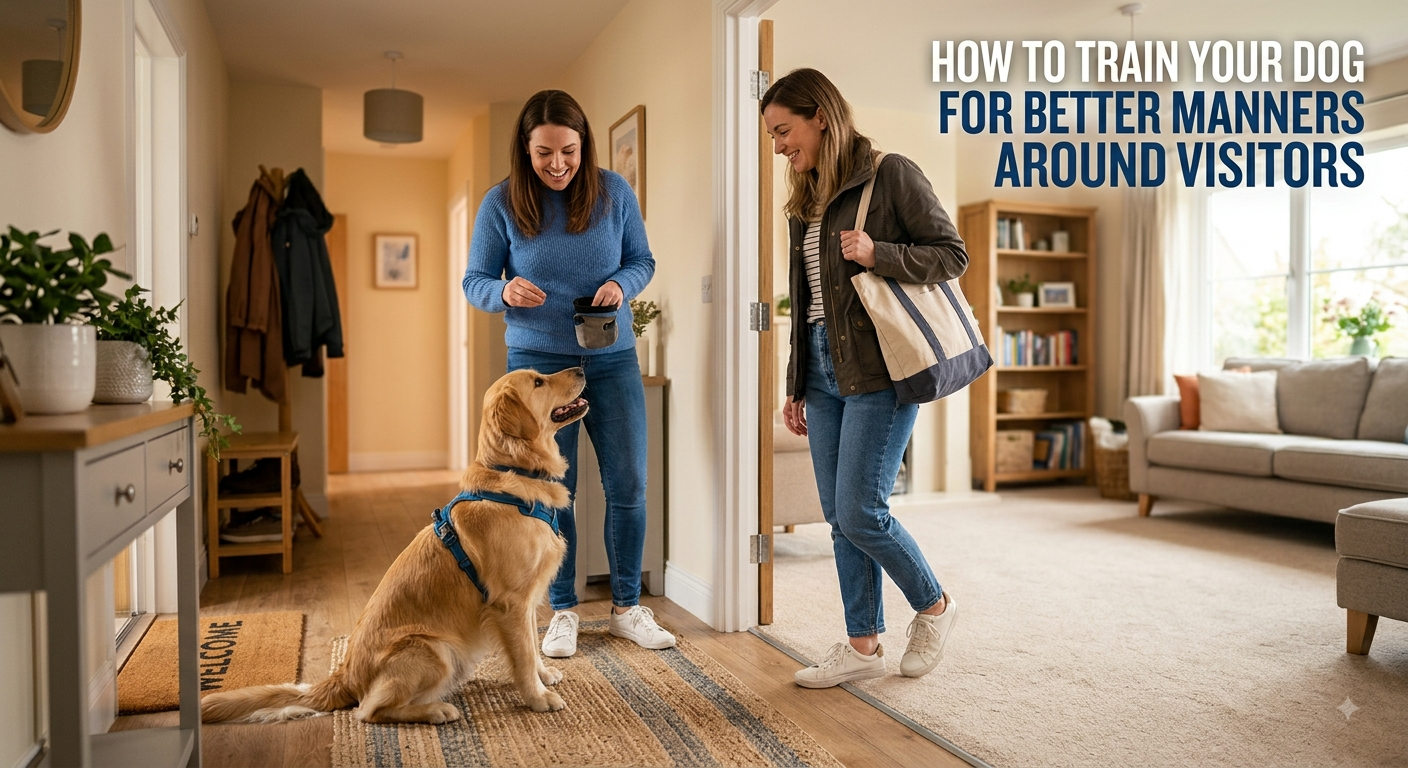
Many owners only begin correcting their dog after guests have already entered the house, but successful training starts long before the door opens. Dogs learn routines, so practicing calm behavior during quiet moments builds habits they can rely on later. Ask your dog to sit, stay, or relax on a designated mat while there are no distractions present. Reward calm behavior consistently so your dog begins associating relaxation with positive outcomes. Gradually introduce sounds like knocking or the doorbell during practice sessions while reinforcing the same calm responses. These rehearsals create a predictable routine that becomes much easier for your dog to follow when actual visitors arrive.
Teach a Reliable Place Command
One of the most valuable commands for greeting visitors is teaching your dog to go to a specific place. This designated spot may be a dog bed, raised cot, blanket, or comfortable mat located away from the front door. Instead of rushing toward arriving guests, your dog learns to move to their assigned location and remain there until released. Repetition is the key to making this behavior automatic rather than optional. Continue rewarding your dog for remaining calm and staying in position while household members move around naturally. Over time, this simple command provides structure that helps prevent jumping, barking, and overly enthusiastic greetings.
Reward the Behavior You Want to See
Dogs repeat behaviors that consistently produce rewarding outcomes. If jumping, barking, or pushing through the doorway accidentally gains attention from visitors, those behaviors become stronger over time. Instead, focus your attention on rewarding calm sitting, relaxed body language, quiet behavior, and self control. Treats, praise, toys, or affection can all serve as meaningful rewards depending on what motivates your dog the most. Consistency among every family member is essential because mixed messages create confusion and slow progress. Positive reinforcement encourages dogs to make better decisions because they clearly understand which behaviors produce rewarding experiences.
Help Visitors Support the Training Process
Visitor manners improve much faster when guests understand how they can assist with training. Many well meaning visitors unintentionally encourage jumping by immediately petting an excited dog or speaking in an enthusiastic voice. Asking visitors to ignore inappropriate behavior while rewarding calm greetings creates much clearer communication for your dog. Once your dog is sitting quietly or remaining in their designated place, guests can gradually offer calm attention and gentle interaction. Keeping greetings relaxed instead of overly exciting helps prevent emotional escalation. Everyone who enters your home becomes part of the learning process, making consistent responses extremely valuable.
Practice With Familiar People Before New Guests
Training becomes much easier when distractions increase gradually instead of all at once. Begin by asking family members to repeatedly enter and leave the house while practicing your greeting routine. Once your dog responds consistently, invite trusted friends who understand the training process to participate in short practice sessions. Repetition allows your dog to experience successful greetings in a controlled environment before facing more unpredictable situations. As confidence grows, introduce different visitors with varying appearances, voices, and energy levels. This gradual exposure helps your dog generalize good manners instead of behaving well only with certain individuals.
Manage Excitement Instead of Expecting Instant Perfection
Every dog has a different personality, energy level, and learning speed, so progress rarely happens overnight. Puppies may struggle with impulse control because they are naturally curious and energetic, while rescue dogs may carry previous experiences that influence their reactions to strangers. Some training sessions will be more successful than others, especially when visitors arrive unexpectedly or bring higher levels of excitement. Rather than viewing these moments as failures, treat them as opportunities to reinforce the desired behavior once again. Short, consistent practice sessions often produce better long term results than occasional lengthy training sessions. Remaining patient allows your dog to learn without becoming overwhelmed by unrealistic expectations.
Address Fear and Anxiety With Care
Not every dog misbehaves because they are overly excited. Some dogs bark, retreat, or become defensive because they genuinely feel uncomfortable around unfamiliar people. Forcing these dogs to interact before they are ready often increases their stress instead of building confidence. Allow your dog to observe visitors from a comfortable distance while rewarding calm behavior throughout the interaction. Gradually decreasing that distance over multiple training sessions helps build trust without creating unnecessary pressure. A patient approach allows fearful dogs to develop positive associations with visitors while maintaining a sense of security throughout the learning process.
Maintain Good Manners Through Everyday Consistency
Training does not end once your dog successfully greets a few visitors. Dogs maintain their skills through ongoing practice and consistent expectations during daily life. Continue reinforcing calm greetings whenever someone comes to your home, even after significant improvement becomes noticeable. Family members should follow the same routines so your dog receives clear and predictable guidance every time. Regular practice prevents old habits from returning while strengthening new behaviors that have already been learned. Consistency ultimately transforms good visitor manners from a training exercise into a natural part of your dog's everyday behavior.
When Professional Training Makes a Difference
Some dogs develop deeply rooted habits that require additional guidance beyond basic home training. Persistent jumping, excessive barking, fear based reactions, or aggressive behaviors often improve more effectively through individualized training plans. Professional trainers can evaluate your dog's temperament, identify specific triggers, and create structured exercises tailored to your household. We work closely with owners to ensure that both the dog and the family understand how to build lasting behavioral improvements together. Every dog learns differently, so personalized instruction often accelerates progress while reducing frustration for everyone involved. Hazard K9 is committed to helping families build confident, well mannered dogs that remain calm, respectful, and enjoyable companions whenever visitors arrive.
